Featured

Data
Updated Aug. 4, 2026
Data Insight
Jun. 19, 2024
Report
Aug. 20, 2024
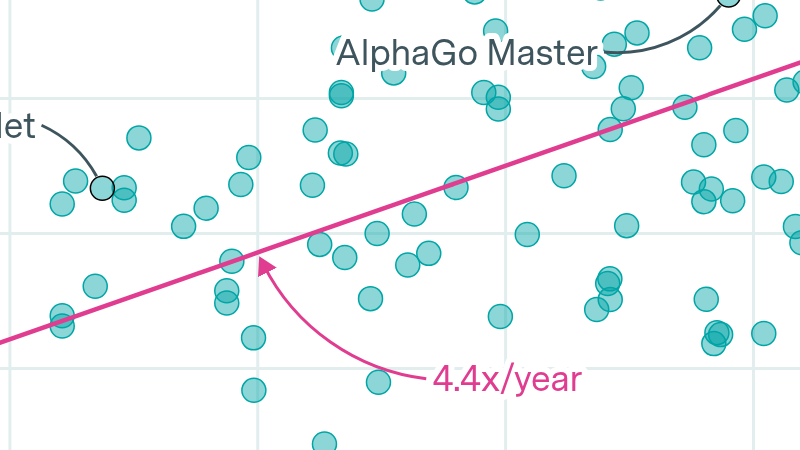
The story of AI progress is dominated by scale. Training AI systems with more compute, power and data has consistently led to better performance. Epoch tracks the scale-up of the resources used to train AI systems, and what this means for capabilities and the future of AI. Epoch's research covers training compute trends, data availability, scaling laws, hardware constraints, and the question of whether scaling can continue through the end of the decade.

Our public database, the largest of its kind, tracks over 3500 machine learning models from 1950 to today. Explore data and graphs showing the trajectory of AI.
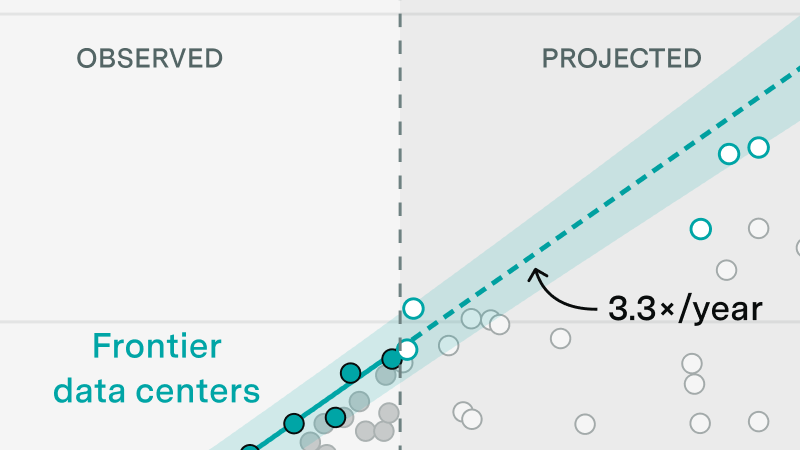
Since Colossus 1 launched in August 2024, the record for the largest AI data center has doubled every seven months. Epoch AI's breakdown of single-site compute capacity trends through 2028.
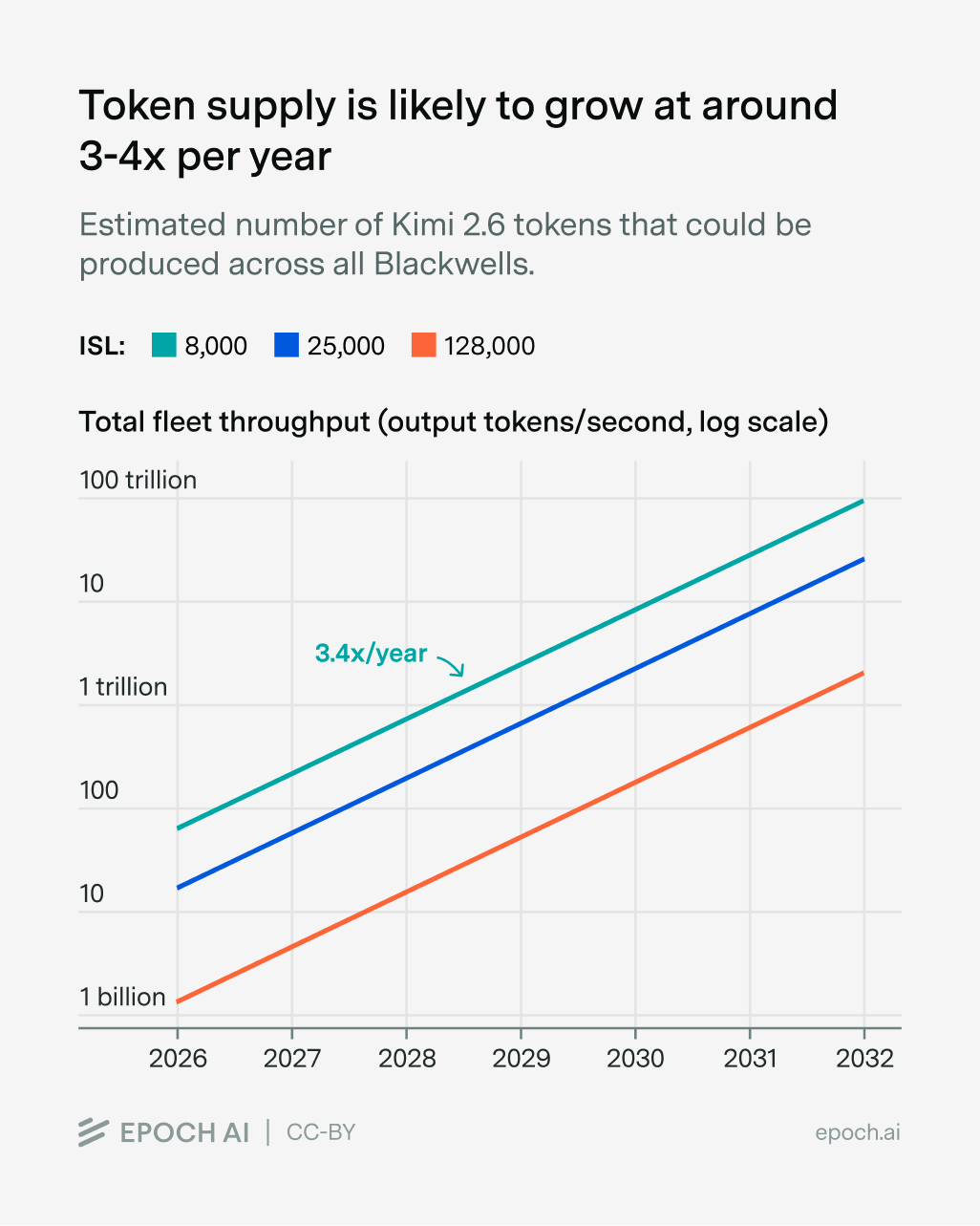
We estimated trends in global inference capacity and found that token demand appears to be growing much faster than supply.
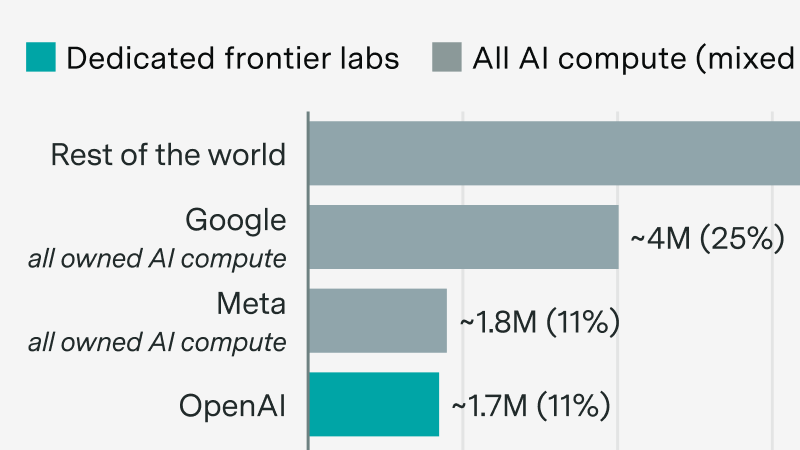
OpenAI, Anthropic, and xAI used just 20-30% of global AI compute in 2025, despite launching the AI boom. Epoch AI's analysis of frontier lab compute allocation and growth trajectories through 2027.
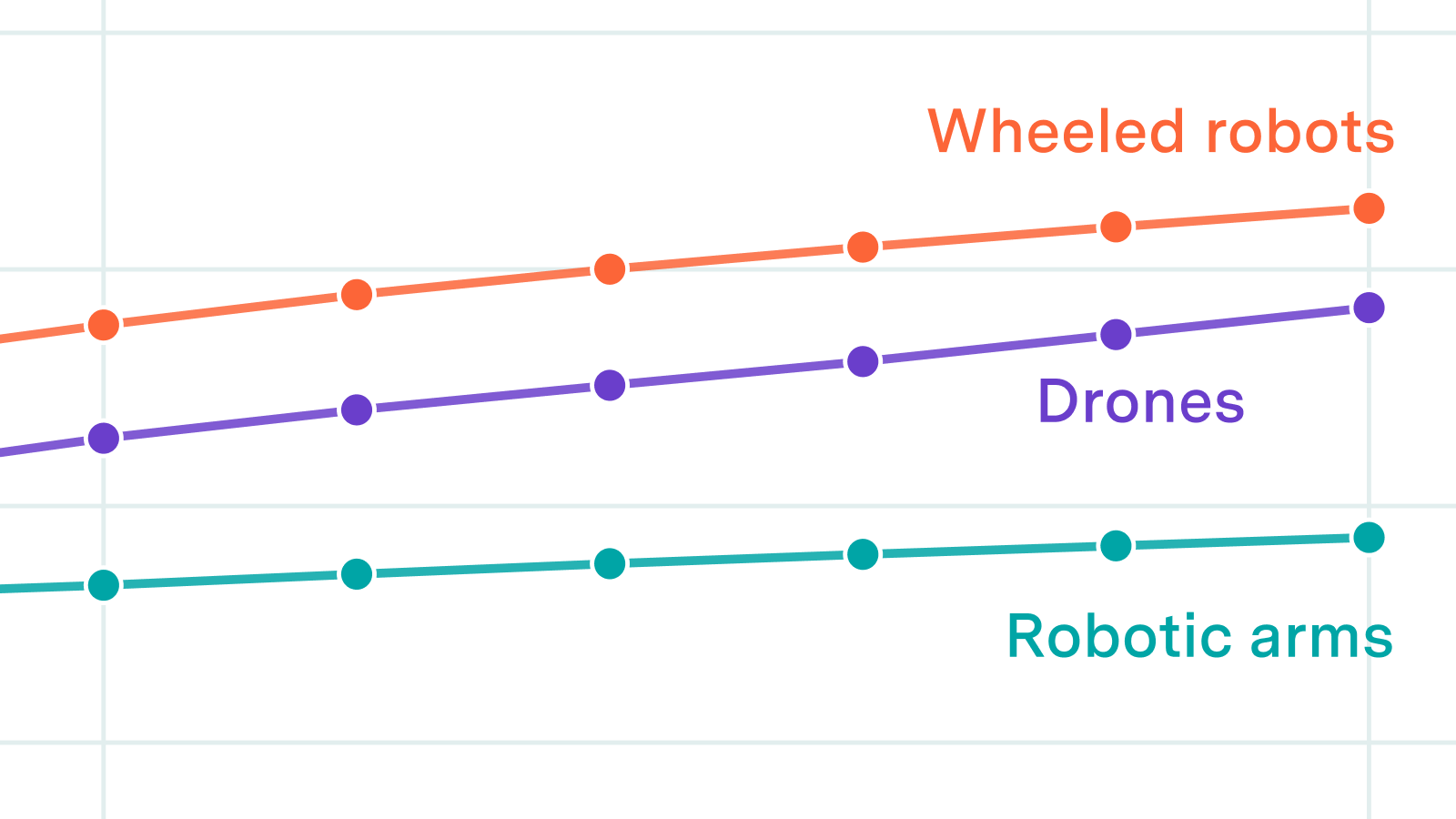
We look at reference classes, factory buildout timelines, and upstream component supply to estimate plausible production rates for humanoids, quadrupeds, robotic arms, wheeled robots, and drones.
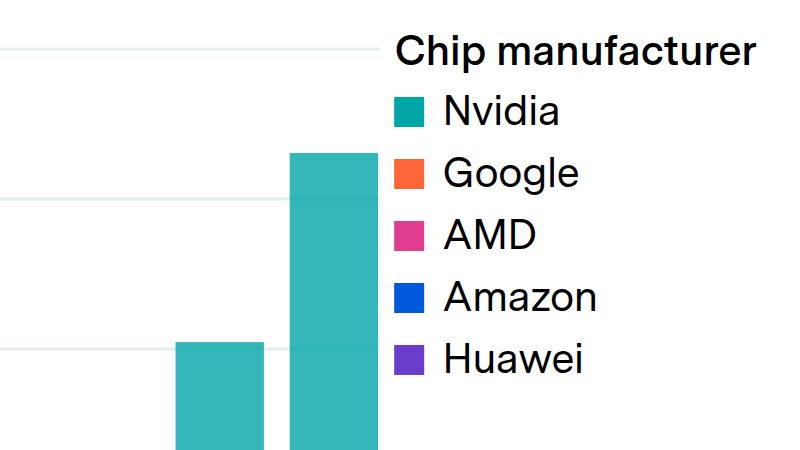
As of Q4 2025, memory bandwidth across global AI chips has reached roughly 70 million terabytes per second, enough to pass all data stored on the internet into memory in under an hour.
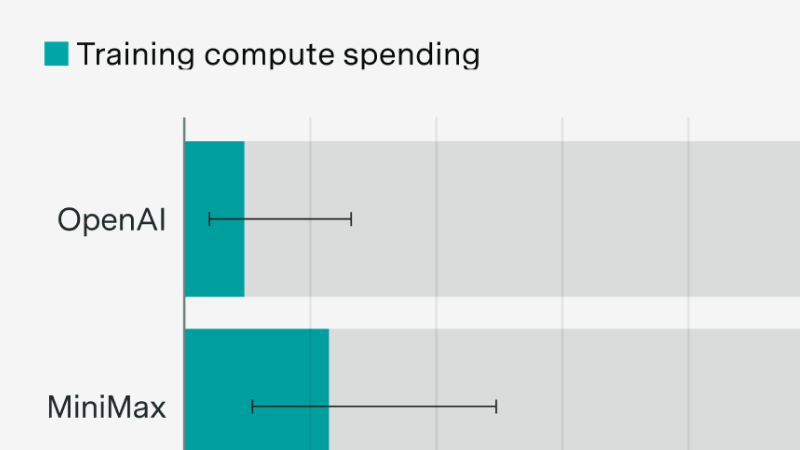
New evidence following the MiniMax and Z.ai IPOs
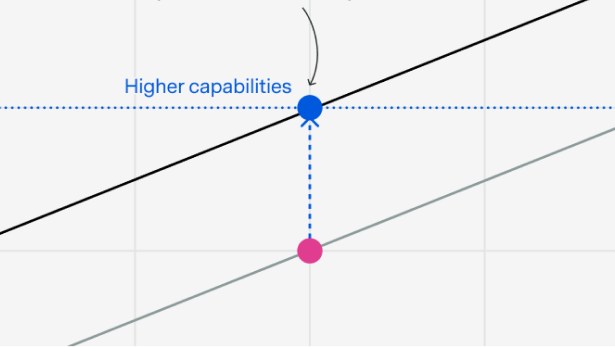
An opinionated guide to “algorithmic progress” and why it matters

Toby Ord argues that RL scaling primarily increases inference costs, creating a persistent economic burden. While the framing is useful, the cost to reach a given capability level falls fast, and the RL scaling data is thin.
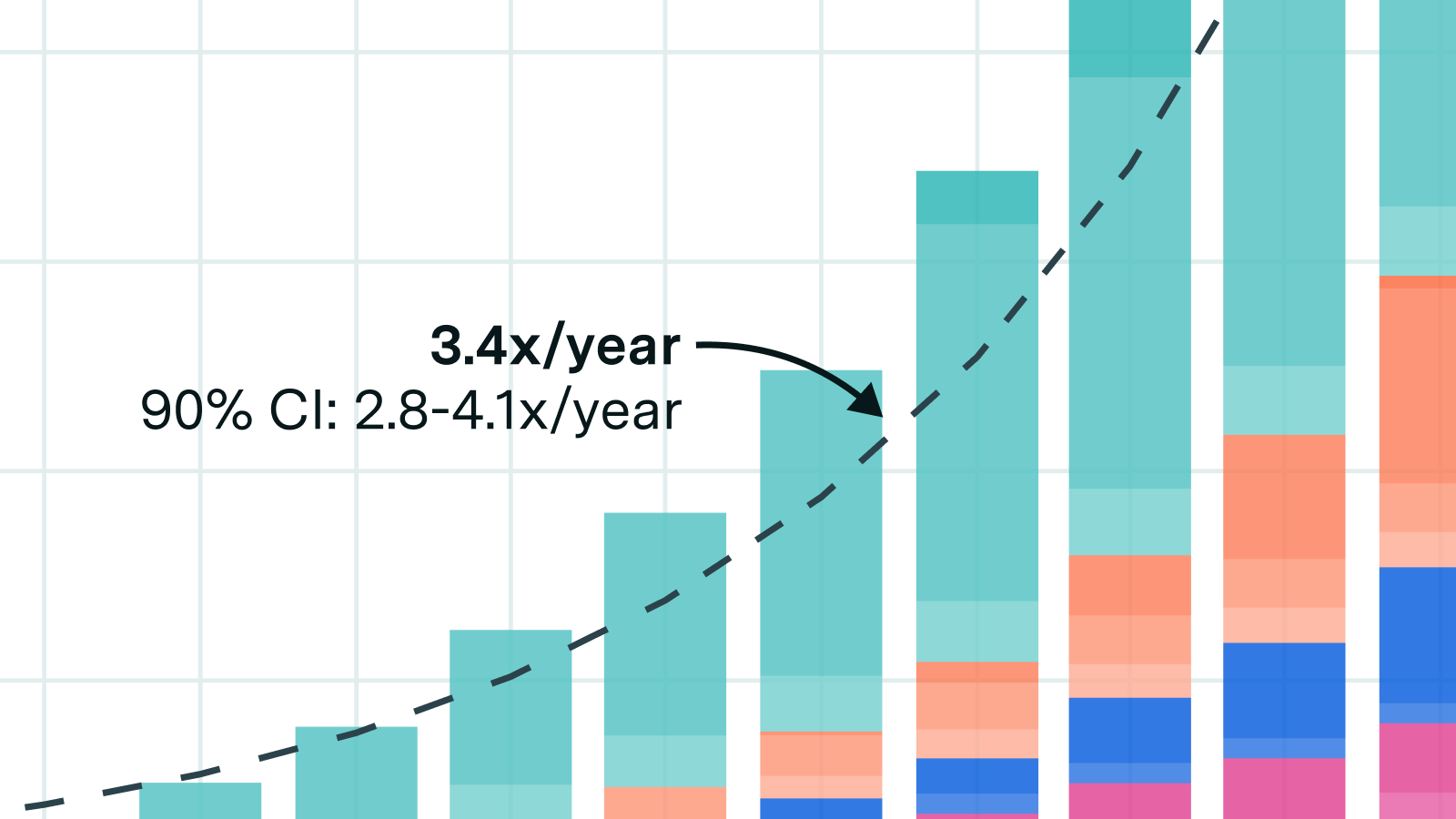
Total available computing capacity from AI chips across all major designers has grown by approximately 3.3x per year since 2022, enabling larger-scale model development and consumer adoption.