Featured

Data
Updated Jul. 31, 2026
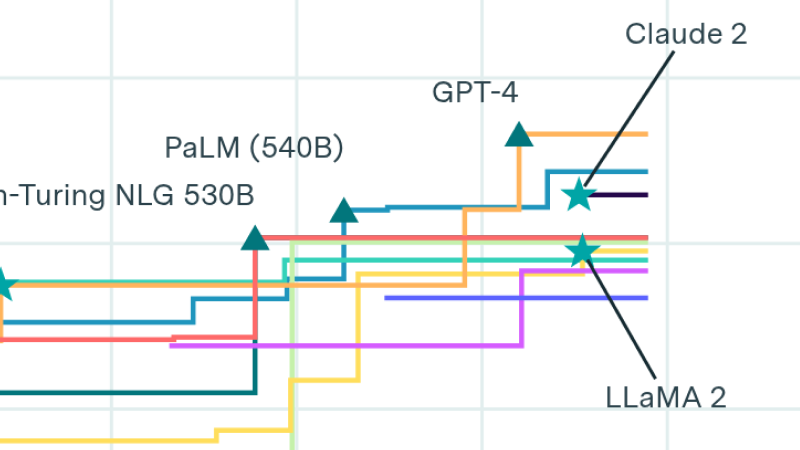
Paper
Nov. 27, 2023
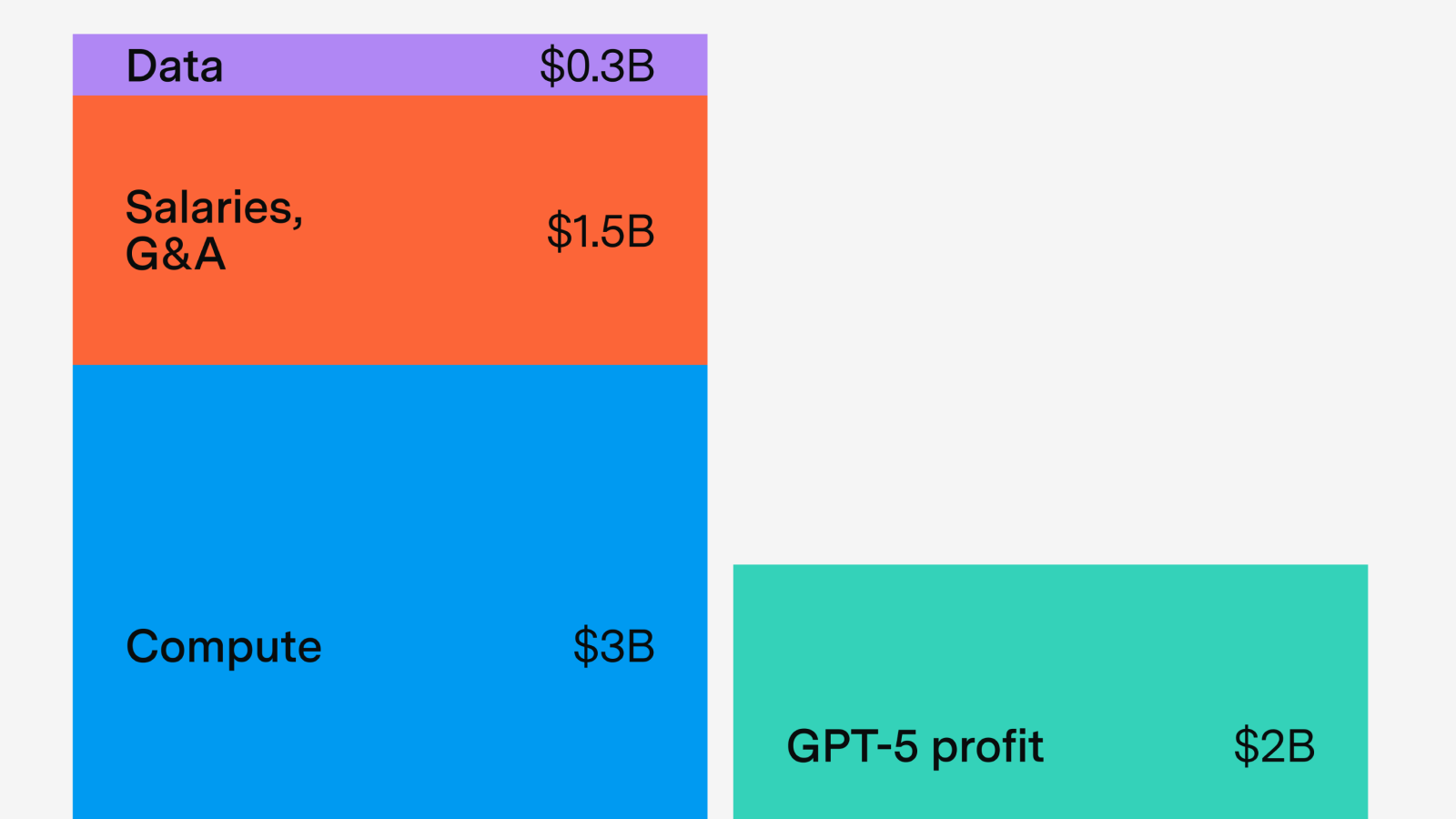
Newsletter
Jan. 28, 2026
A handful of companies and research labs are responsible for building the most powerful AI systems in the world. Who they are, what they are building, and how they compare is changing fast. Epoch maintains databases and conducts analysis tracking the leading AI labs, their major model releases, compute resources, and workforce, providing a data-driven view of who is shaping the frontier of AI.
Our database of AI company data, with data on revenue, funding, staff, and compute for many of the key players in frontier AI.

Our estimates of how the world’s leading AI chips and compute capacity are distributed among major players and customer categories.
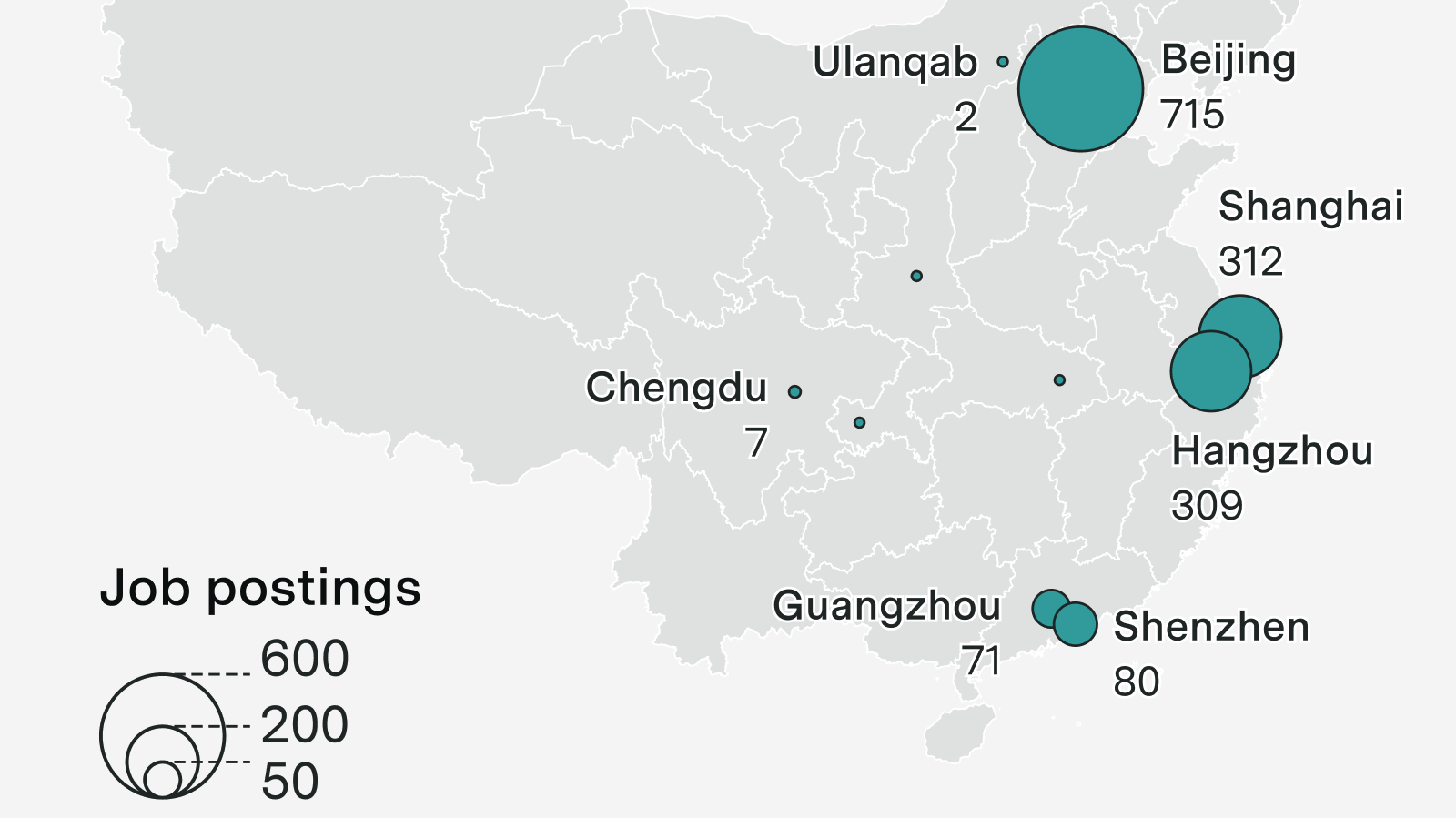
Inferring Chinese AI labs’ strategies from their job descriptions
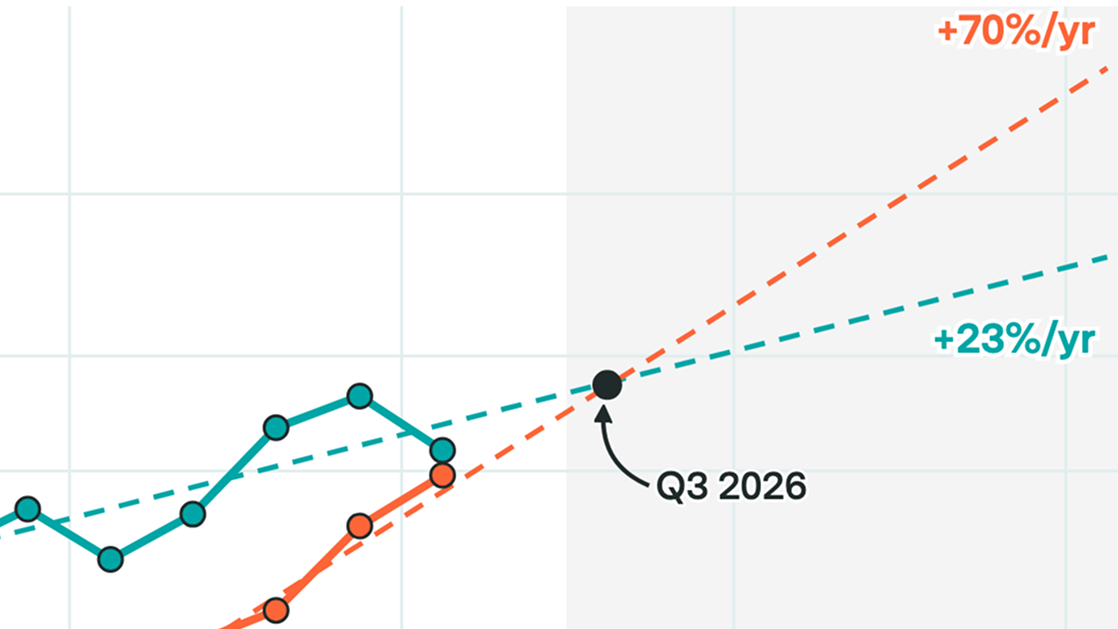
Aggregate cash capex across Microsoft, Amazon, Alphabet, Meta, and Oracle is on track to overtake operating cash flow in Q3 2026. Epoch AI's breakdown of how hyperscalers are financing the AI buildout.
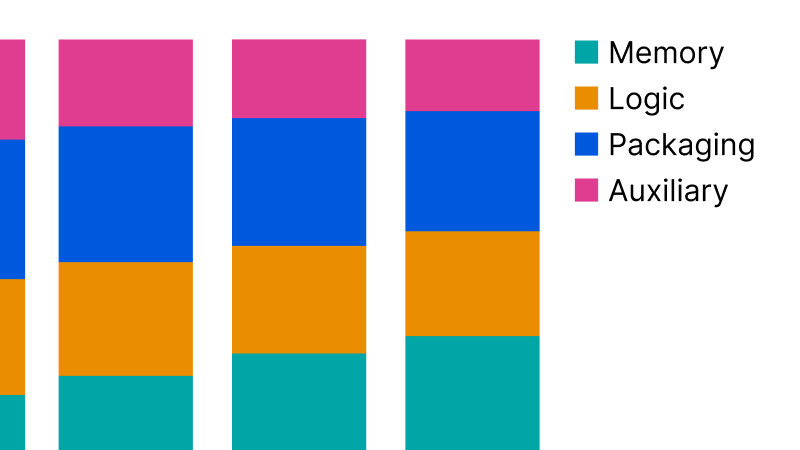
High-bandwidth memory (HBM) accounts for 63% of AI chip component costs, up from 52% in Q1 2024. Epoch AI's breakdown of component cost shifts across major chip designers.
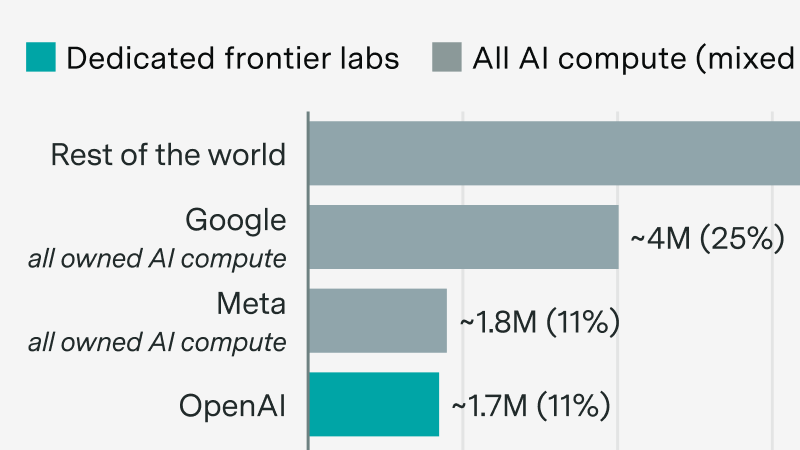
OpenAI, Anthropic, and xAI used just 20-30% of global AI compute in 2025, despite launching the AI boom. Epoch AI's analysis of frontier lab compute allocation and growth trajectories through 2027.
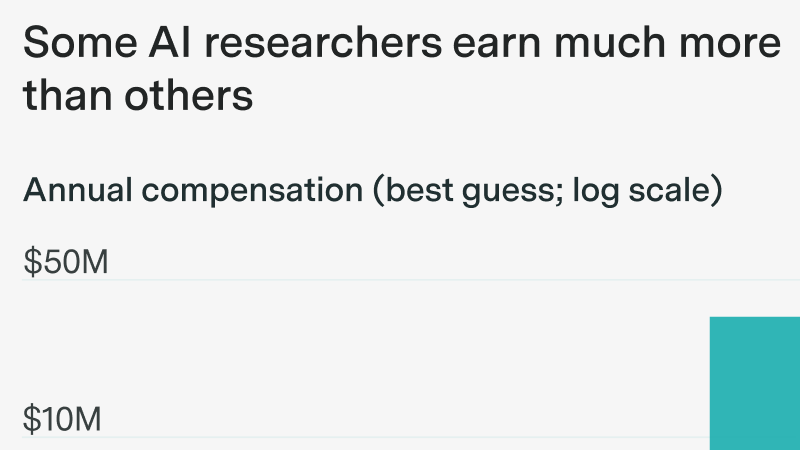
What might explain AI researcher pay, and why it matters
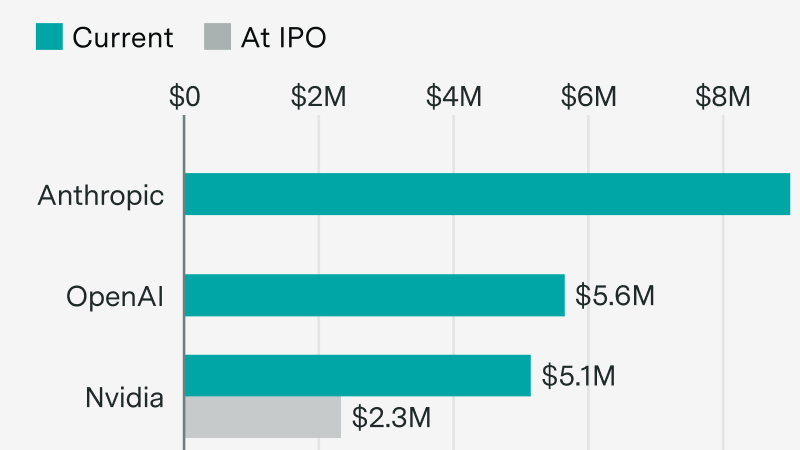
Anthropic and OpenAI generate roughly $14M and $6.5M in revenue per employee — higher than any other tech company in the Forbes Global 2000. Continued rapid growth in this metric at tens of billions in annualized revenue is unusual, and could reflect productivity gains from AI adoption.
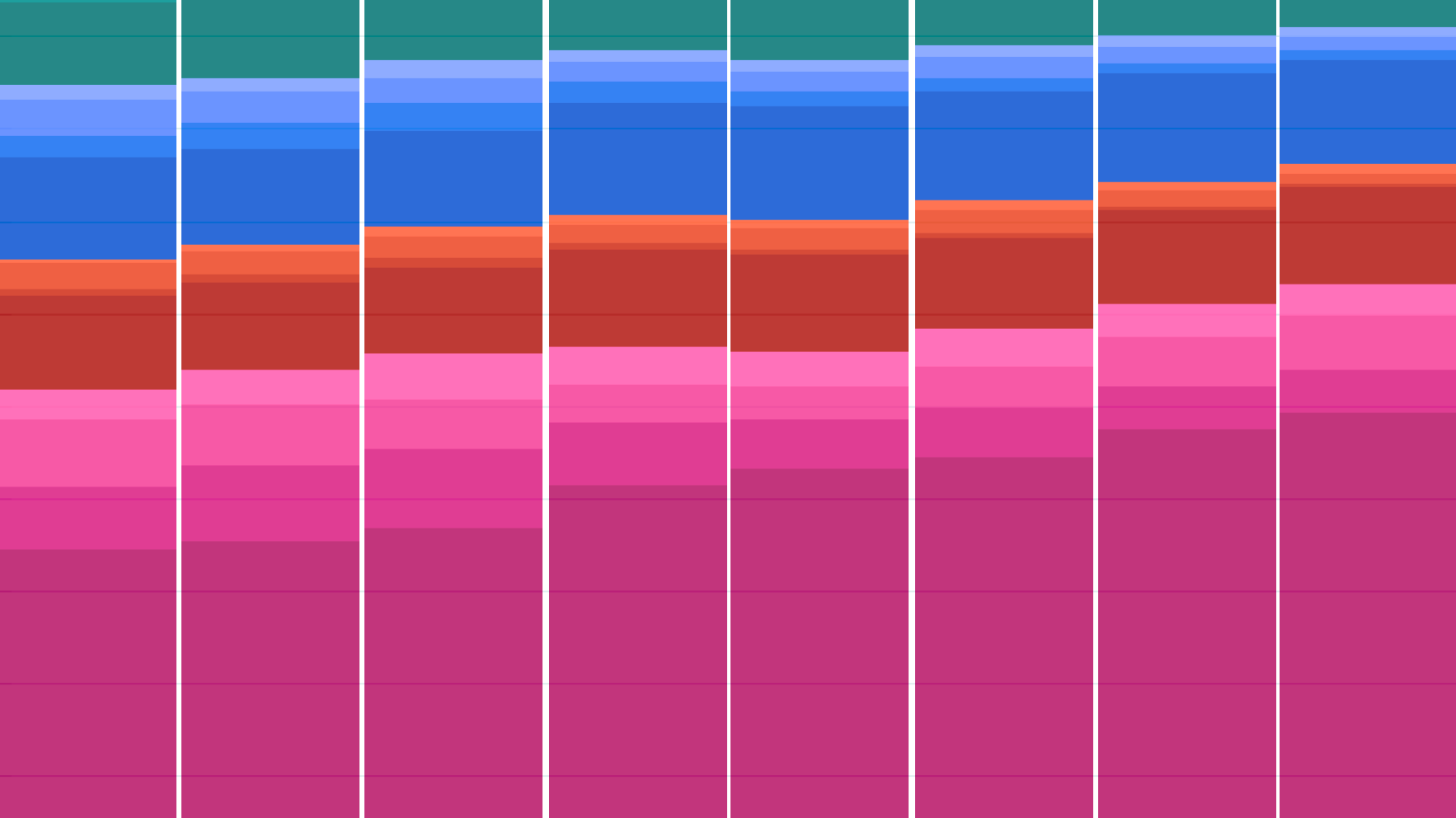
Advanced packaging constrained AI chip production in late 2024, followed by HBM memory bottlenecks through 2025. Epoch AI's analysis of semiconductor manufacturing capacity consumed by leading AI chip designers.
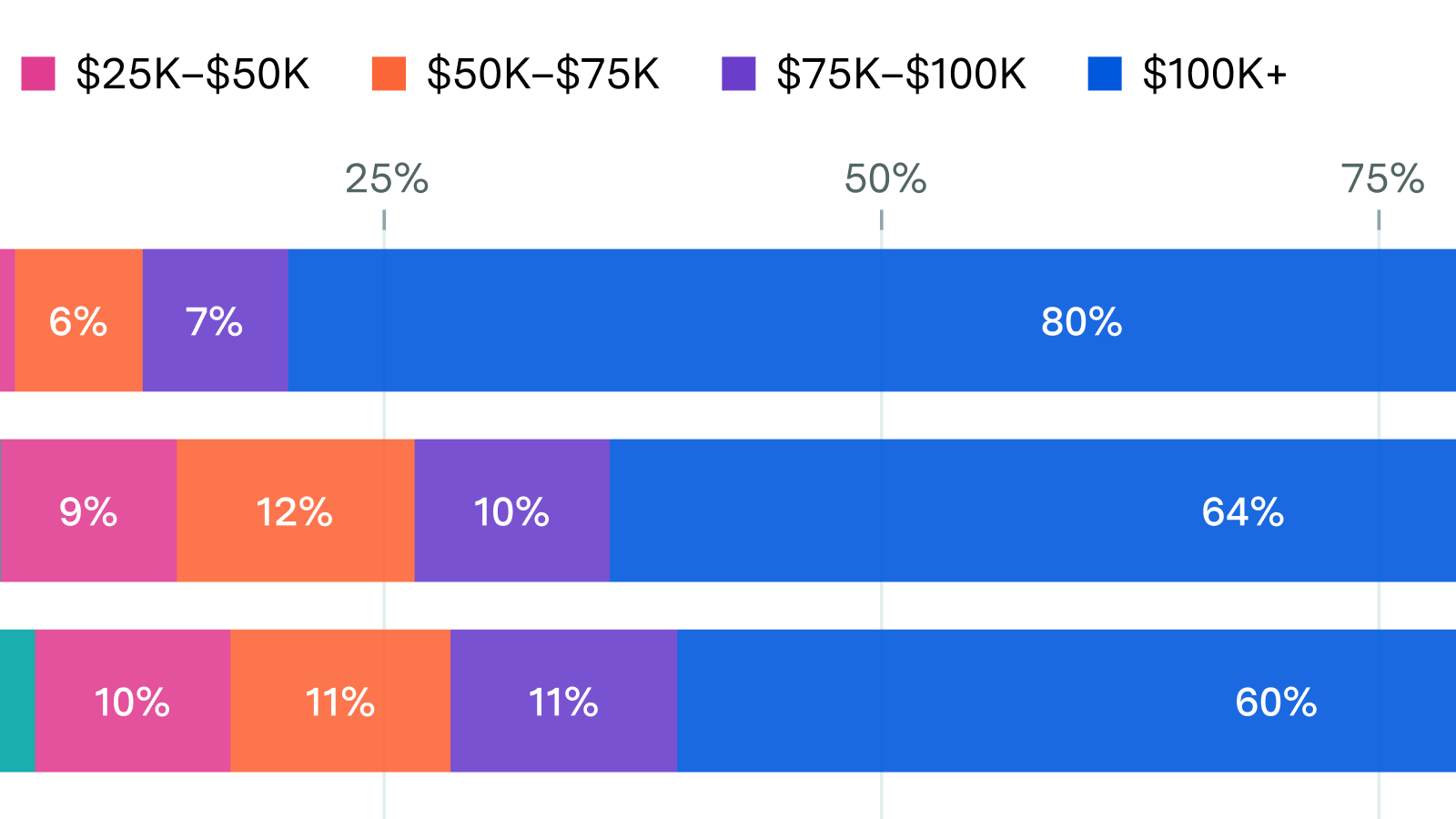
Household income of weekly AI users ranges from 80% earning $100K+ for Claude to 37% for Meta AI in the Epoch AI/Ipsos survey.