Featured
Data Insight
Jan. 2, 2026
Newsletter
Dec. 6, 2024

Data Insight
Jun. 19, 2024
AI development is concentrated in a handful of countries, with the United States and China far ahead of everyone else. Export controls, infrastructure investments, and geopolitics all shape who can build and deploy the most advanced systems. Epoch tracks which countries are leading in AI research and model development, how compute capacity breaks down geographically, and what this means for the global balance of AI capabilities.
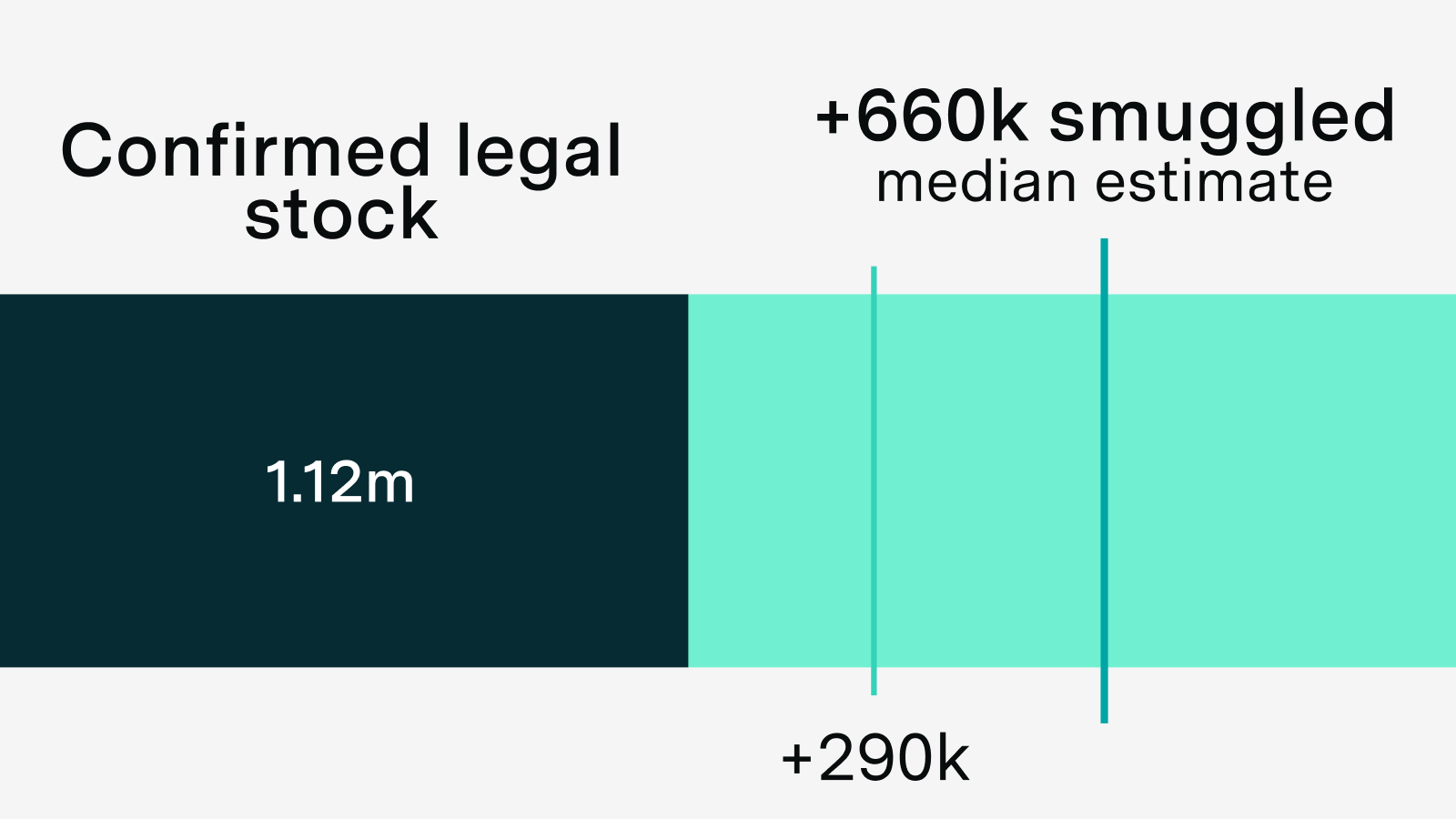
We estimate that between 290,000 and 1.6 million H100-equivalents (H100e) were smuggled to China through 2025. Our median estimate of 660,000 H100e would be roughly a third of China's total compute.
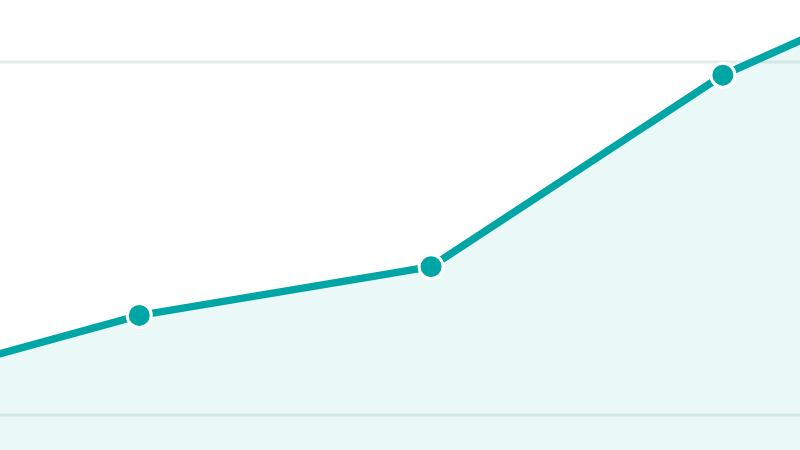
Amazon, Google, Meta, Microsoft, and Oracle collectively hold an estimated 71% of the world's cumulative AI compute as of Q4 2025, up from 63% in Q1 2024.
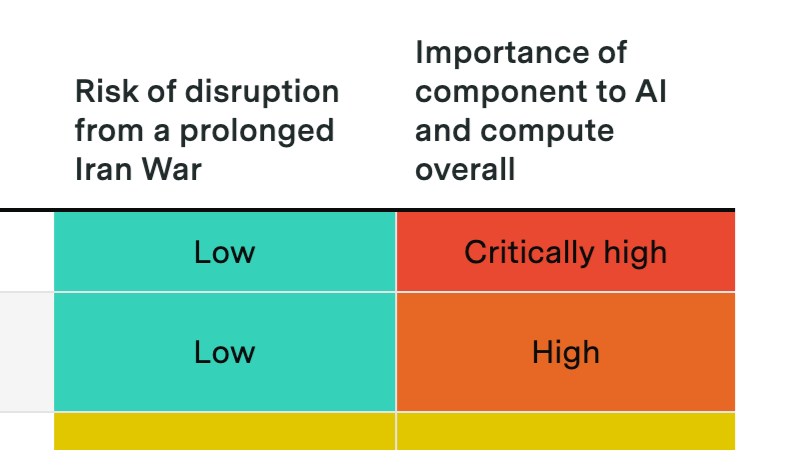
A prolonged Hormuz crisis probably won't derail the compute buildout, but it could slow data center expansion and disrupt Gulf investment flows into AI.
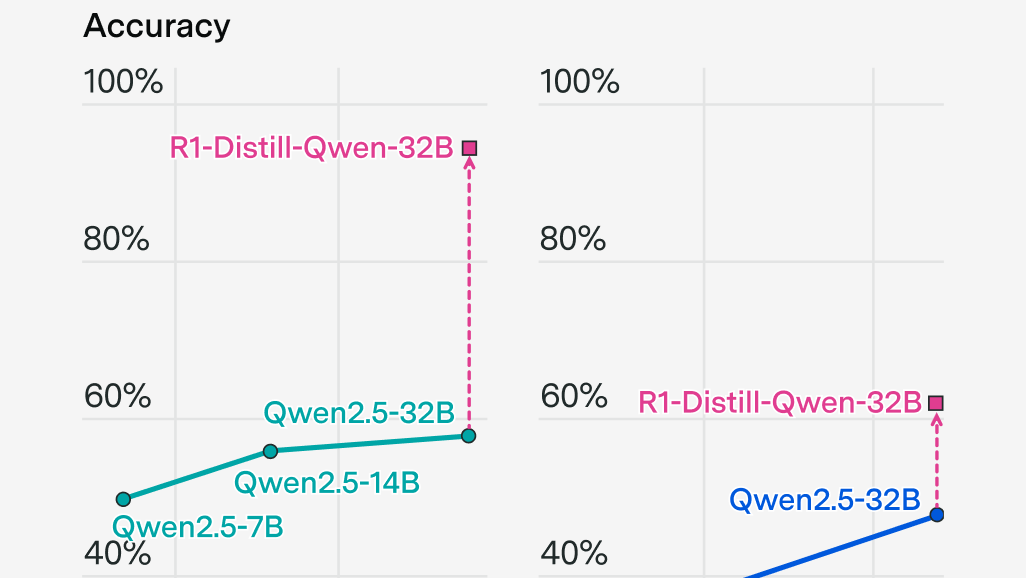
Can Chinese and open model companies compete with the frontier through e.g. distillation and talent?

We announce our new AI Chip Owners explorer, showing which companies own the world’s leading AI chips.
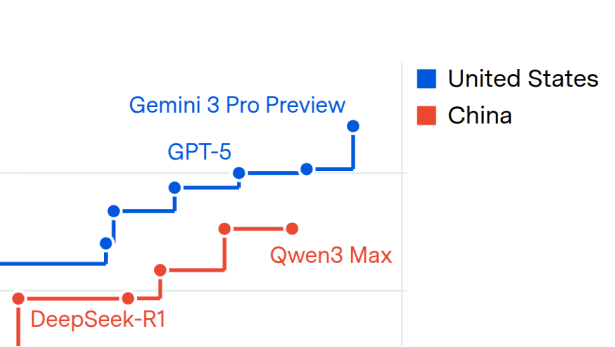
Since 2023, every model at the frontier of AI capabilities, as measured by the Epoch Capabilities Index, has been developed in the United States. Over that same period, Chinese models have trailed US capabilities by an average of seven months, with a minimum gap of four months and a maximum gap of 14.

In this episode, economist Luis Garicano chats with the hosts about macroeconomic and labor market effects of AI, with a focus on the EU.
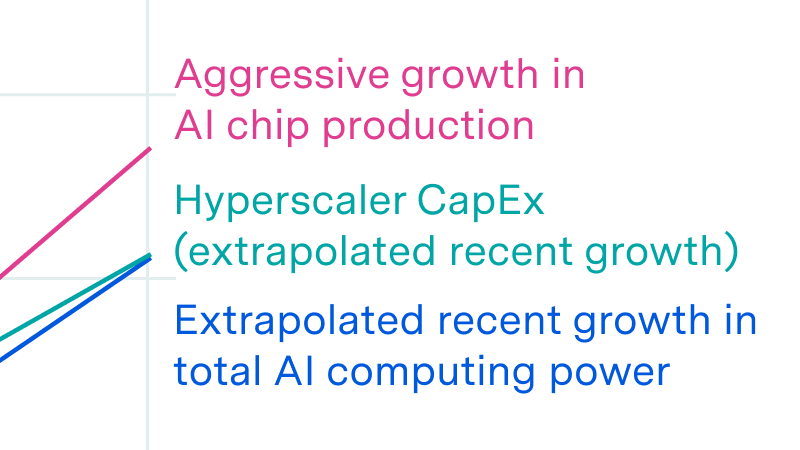
Why power is less of a bottleneck than you think.
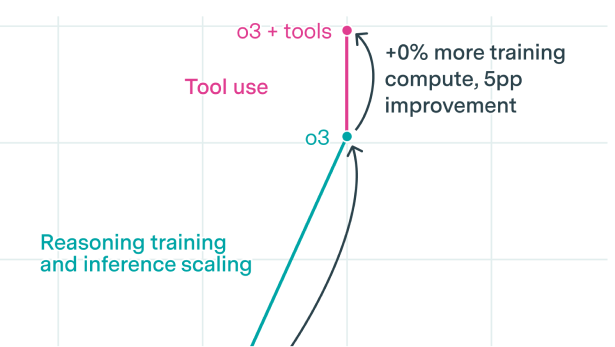
'Training compute' is constantly evolving, and compute-based AI policies must adapt to remain relevant
Chinese hardware is closing the gap, but major bottlenecks remain