Featured
Newsletter
Feb. 25, 2026
Paper
Mar. 12, 2024

Newsletter
Feb. 28, 2025
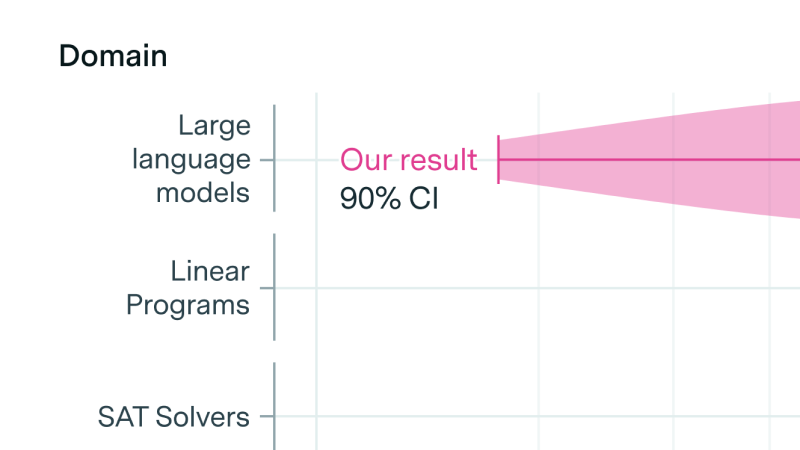
Not all AI progress comes from throwing more and better hardware at the problem. Improvements to algorithms, data quality and training techniques can dramatically increase what AI systems are capable of, enabling models to reach the same capabilities with less computation. Epoch tracks these compute efficiency gains, often called algorithmic progress, over time, examining how quickly they are occurring, what is driving them, and what they mean for the pace of future AI progress.
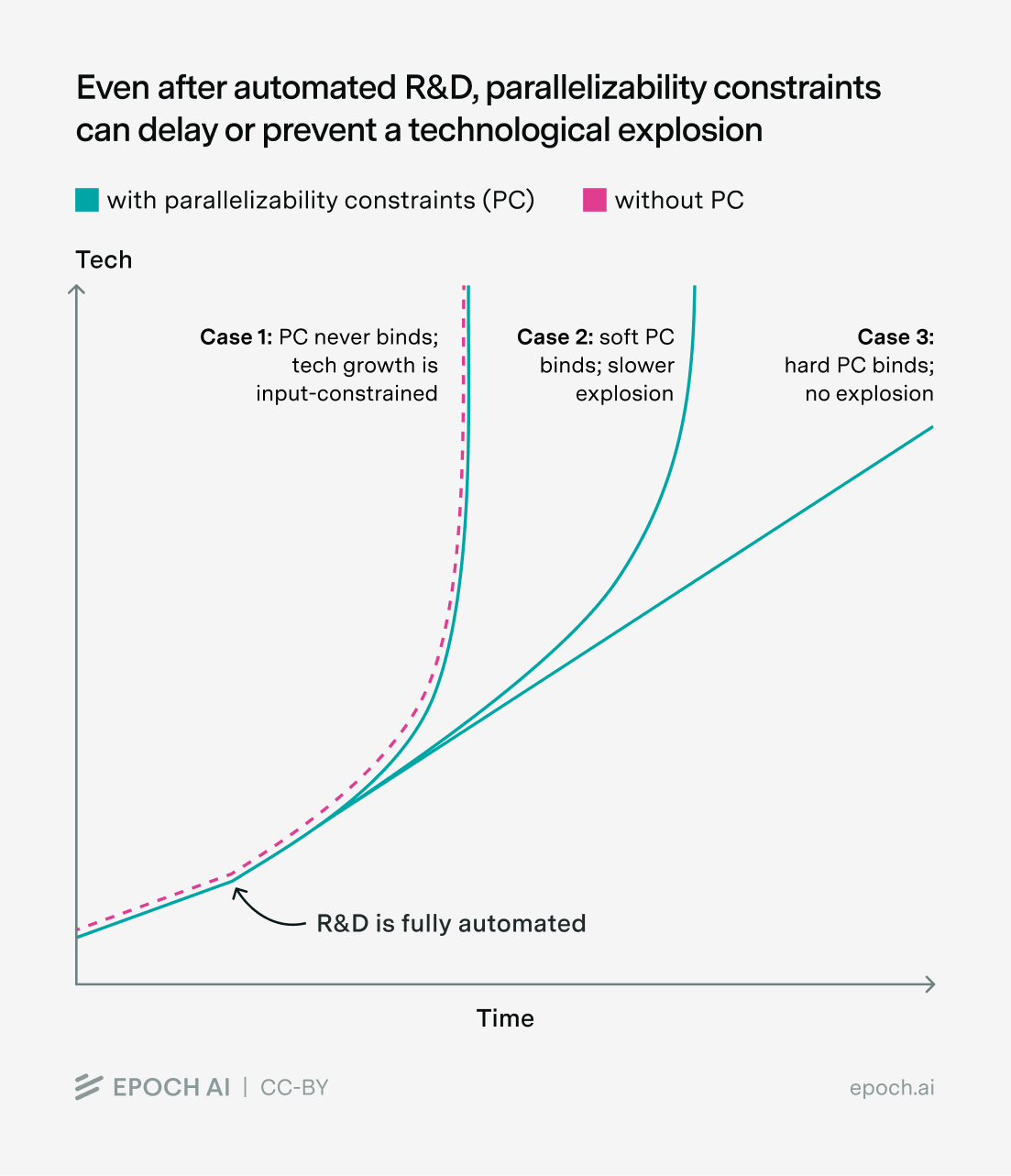
Even with automated AI R&D producing millions of virtual researchers, progress may be capped by our ability to divide, coordinate, and recombine their work. Epoch AI on why parallelization technology is a missing parameter in intelligence explosion models.
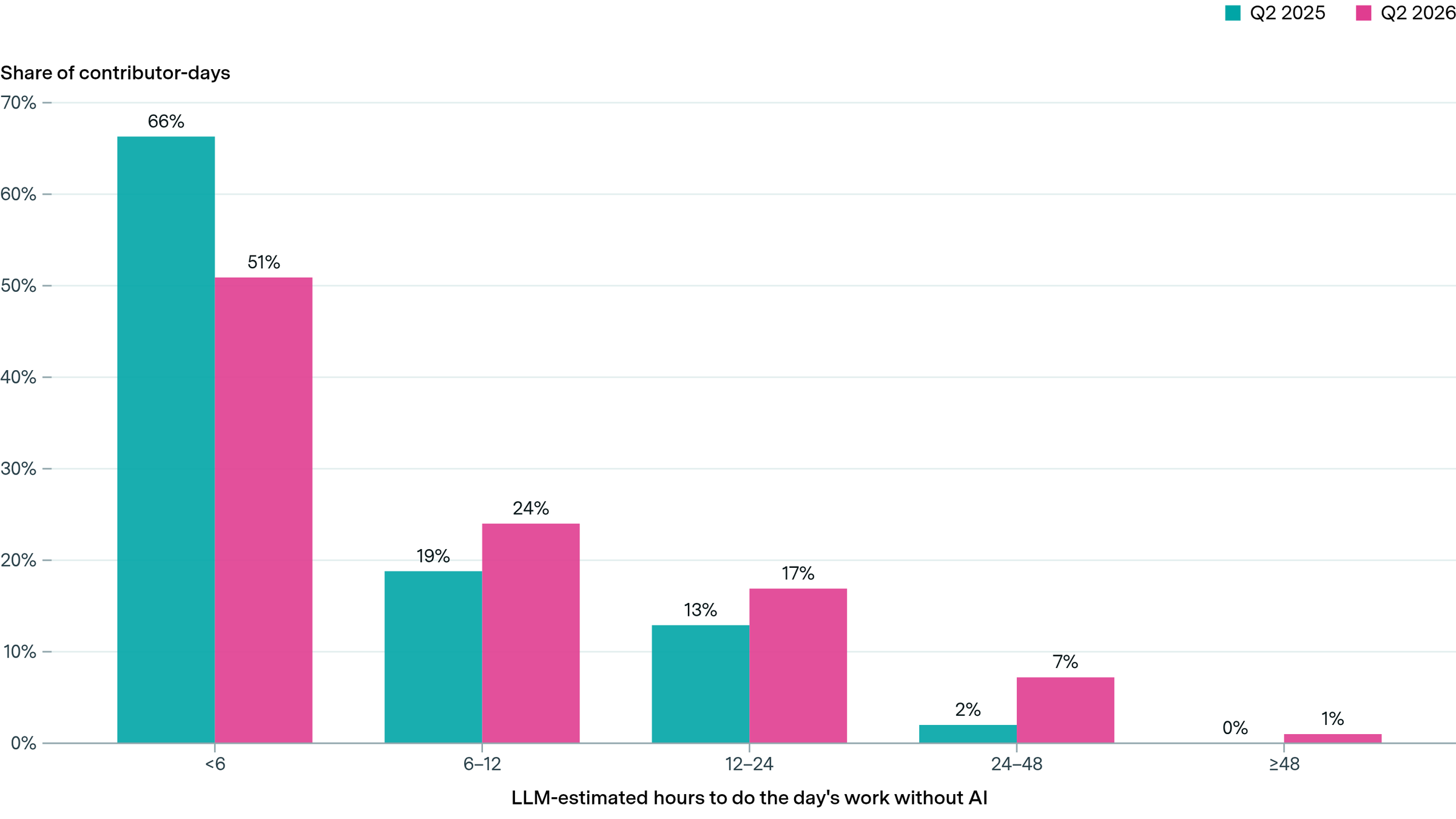
The share of working days on which OpenAI's Codex collaborators merged very-high-effort code rose from about 2% in Q2 2025 to about 8% in Q2 2026.
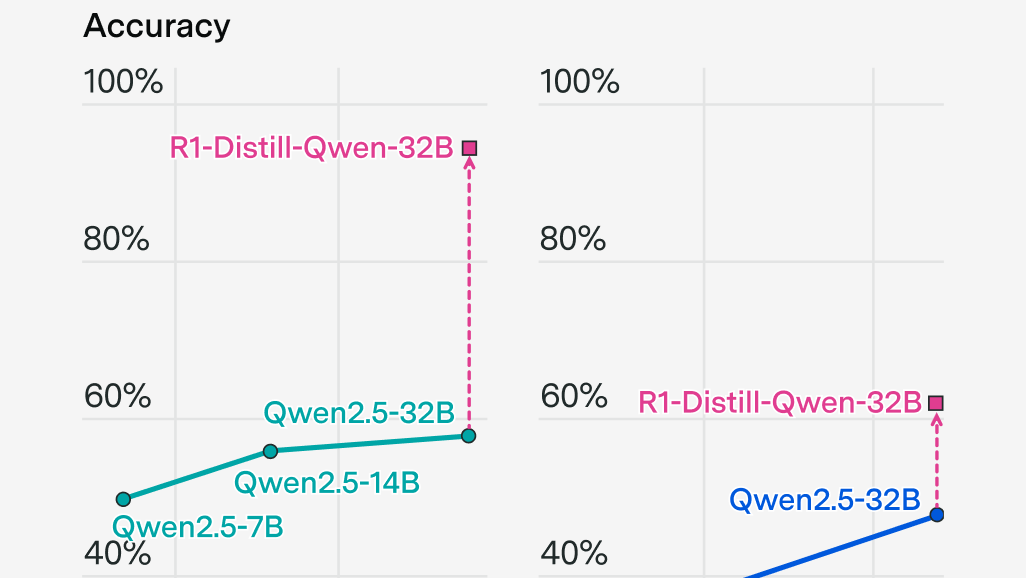
Can Chinese and open model companies compete with the frontier through e.g. distillation and talent?
An opinionated guide to “algorithmic progress” and why it matters
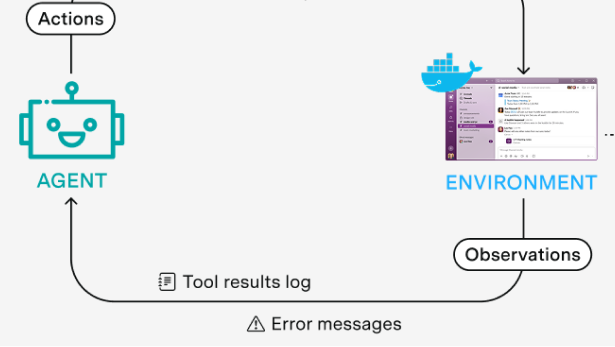
We interviewed 18 people across RL environment startups, neolabs, and frontier labs about the state of the field and where it's headed.

The existing debate rests on data and assumptions that are shakier than most people realize. To make progress, we need better evidence, and experiments are the best way to get it on the margin.

OpenAI focused on scaling post-training on a smaller model
Many multi-agent setups are based on fancy prompts, but this is unlikely to persist
Reasoning models were as big of an improvement as the Transformer, at least on some benchmarks
This week's issue is a guest post by Henry Josephson, who is a research manager at UChicago's XLab and an AI governance intern at Google DeepMind.