Featured

Data
Jul. 28, 2026
Newsletter
Jul. 17, 2025
Newsletter
Feb. 6, 2026
AI tools now reach hundreds of millions of people, but reliable data on who is using them and how remains scarce. Who is using AI, how, and for what? These questions only grow more important as AI capabilities advance faster than benchmarks can measure. Epoch tracks this through original polling and research, examining how AI is being adopted, what is driving or limiting uptake, and how access to frontier capabilities is changing.

One in five US workers say AI now does work they once handed to a coworker or contractor, per a new Epoch AI/Ipsos survey of 1,106 employed adults.
Tracking how employed Americans use AI at work, across demographics.
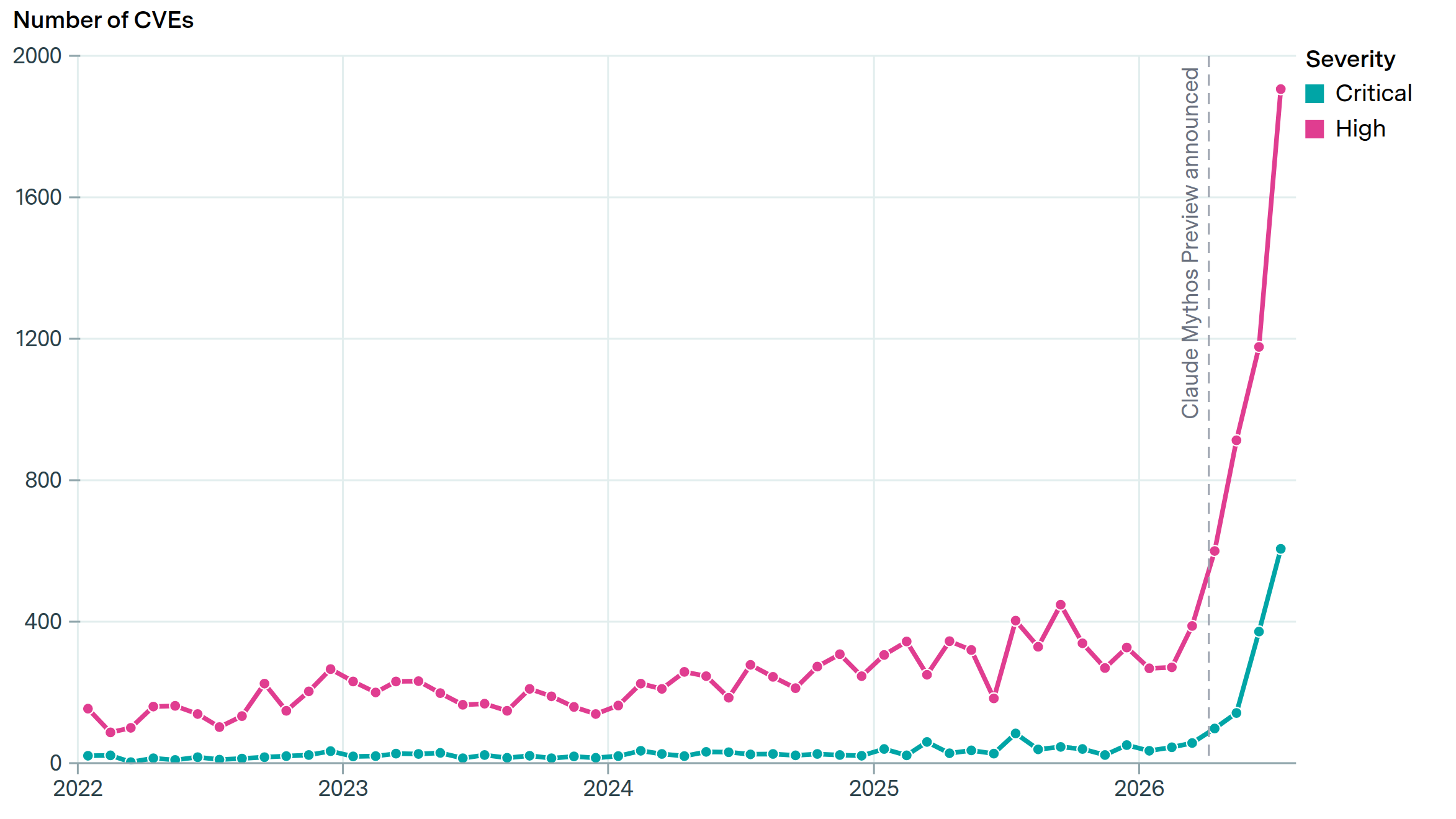
Notable organizations disclosed ~2,500 high- and critical-severity CVEs in July 2026, about 5× the pre-Mythos monthly record. Epoch AI's updated breakdown of vulnerability disclosures following Anthropic's Project Glasswing.
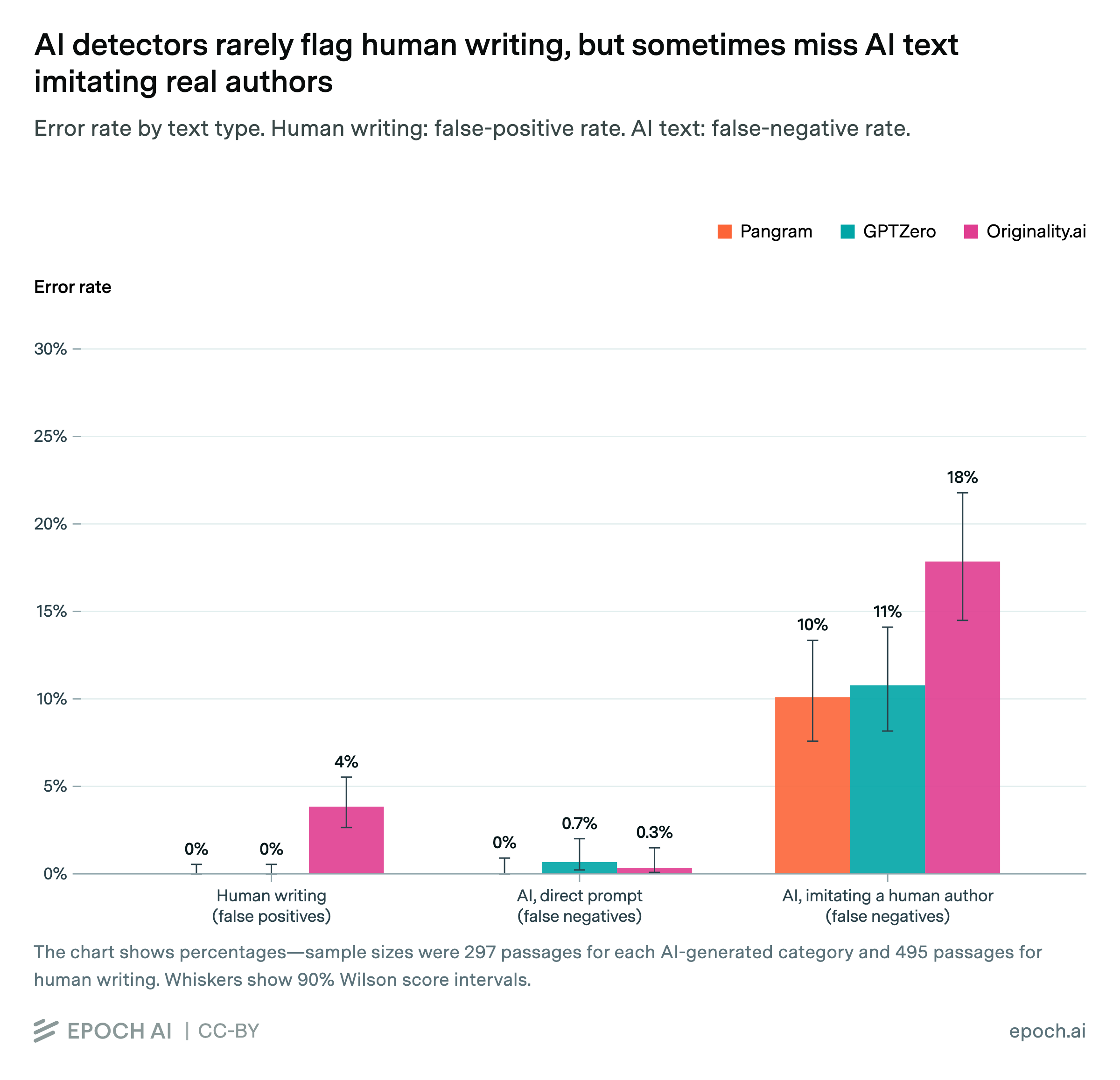
We tested Pangram, GPTZero, and Originality.ai on human and AI text. All three caught nearly every passage written from a simple prompt, but missed roughly one in five passages imitating a specific author's style.

AI compute draws tens of gigawatts globally—comparable to New York state—yet a single chatbot query uses less than a microwave in 10 seconds. Epoch AI's guide to AI energy use, from training to inference to local grid impacts.
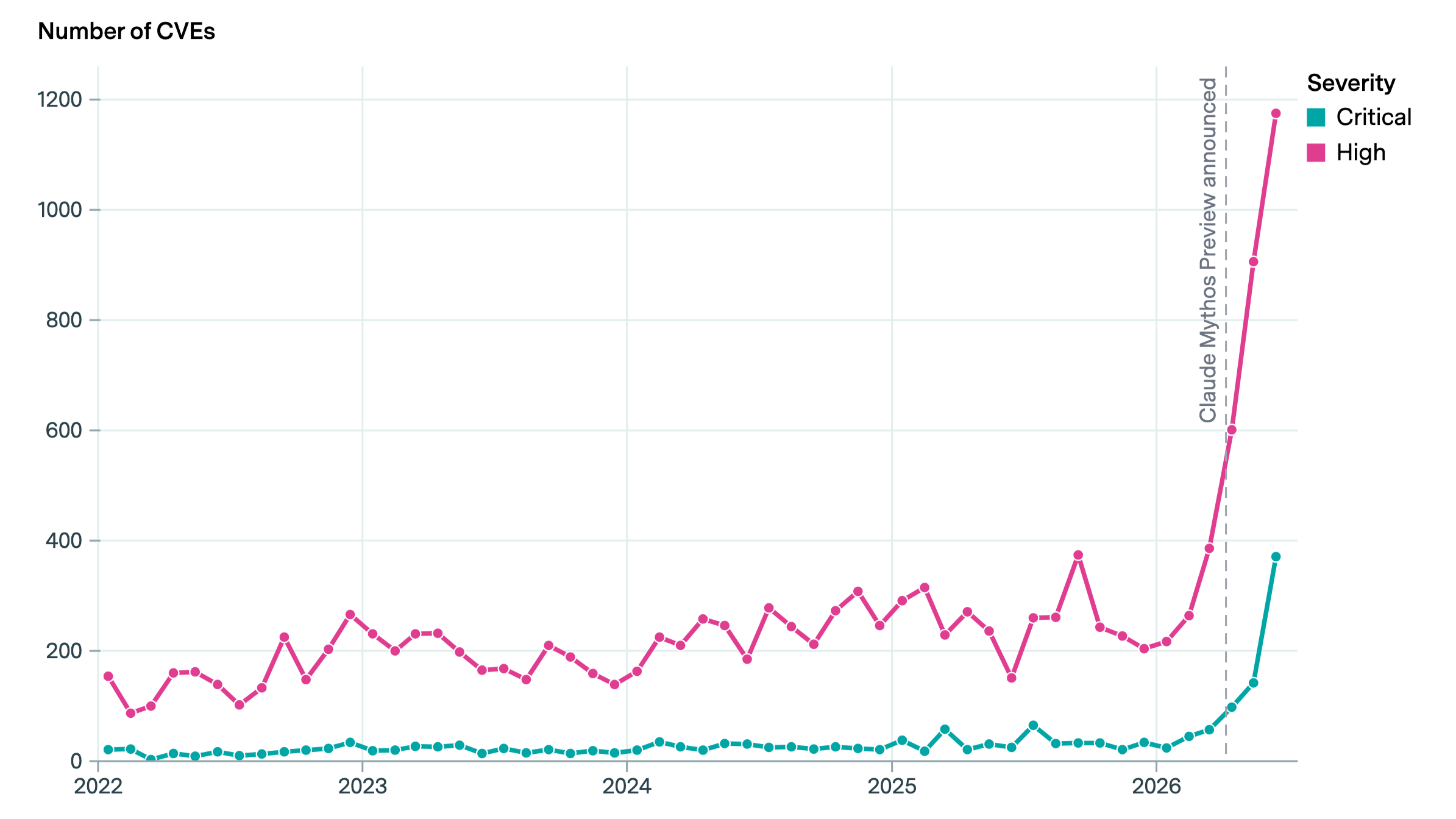
Notable organizations disclosed ~1,300 high- and critical-severity CVEs in June 2026, roughly 3.5× the pre-Mythos monthly record. Epoch AI's breakdown of vulnerability disclosures following Anthropic's Project Glasswing.
Tracking adoption and usage patterns, across demographics. Ipsos survey of 2,021 US adults (March 3-5, 2026).
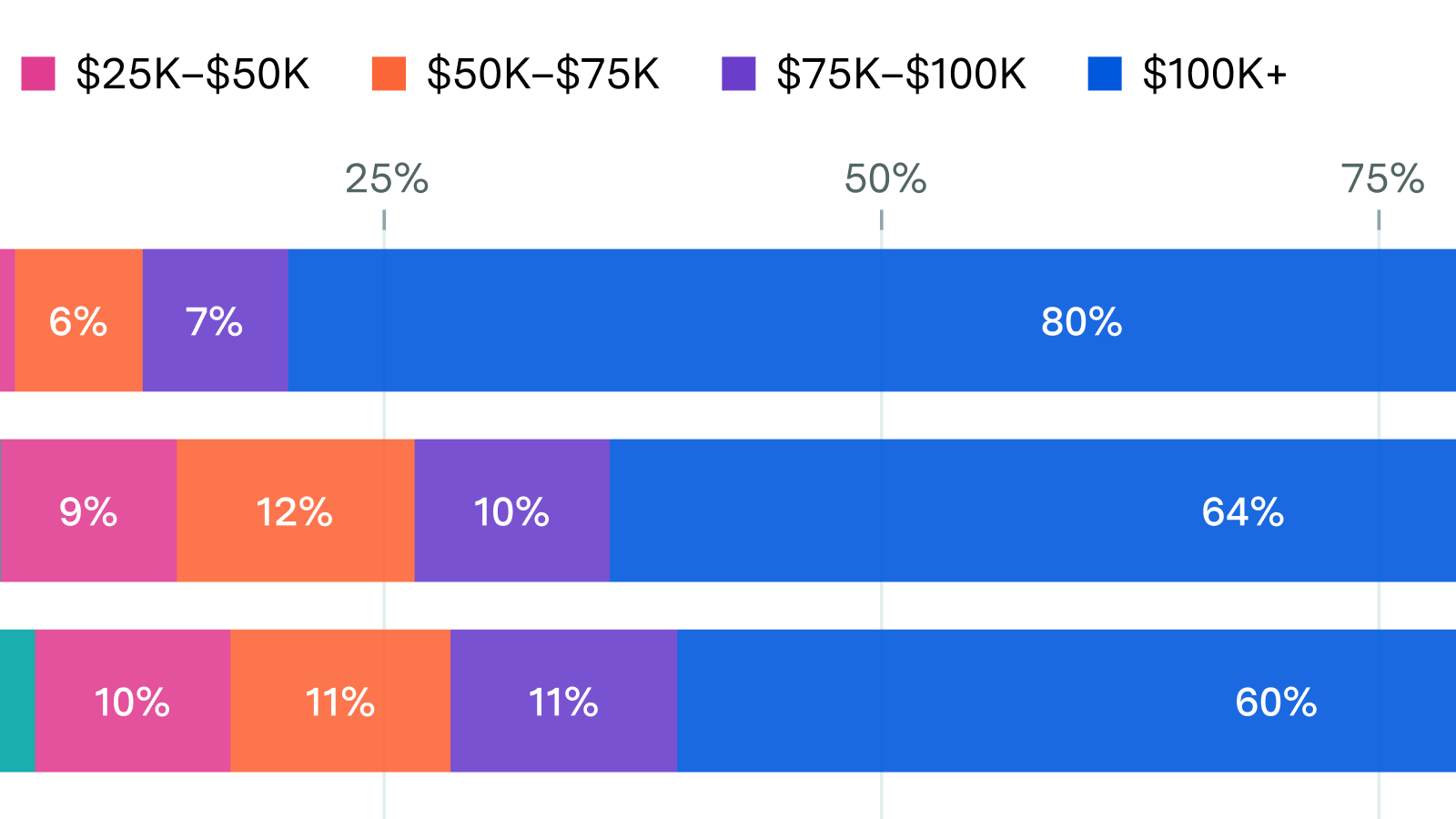
Household income of weekly AI users ranges from 80% earning $100K+ for Claude to 37% for Meta AI in the Epoch AI/Ipsos survey.
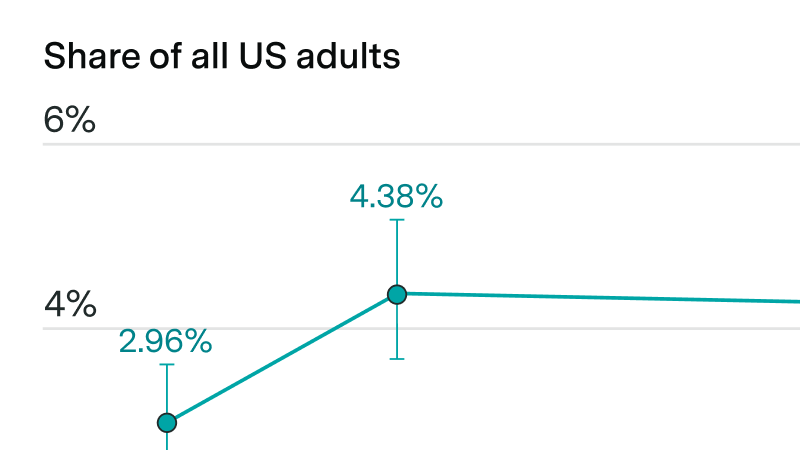
Claude was the only AI tool to show significant usage growth across three Epoch AI/Ipsos survey waves in March-April 2026.
Tracking adoption and usage patterns, across demographics. Blue Rose Research survey of 5,660 Americans (Nov 25 - Dec 3).