Featured
Report
Sep. 16, 2025
Newsletter
Jan. 16, 2026
Podcast
Sep. 4, 2025
How powerful will AI become, and how fast? Epoch develops quantitative forecasting models to project where AI is heading, from near-term trends in compute and capabilities to longer-term questions about AI timelines, including when AI might become truly transformative, a threshold sometimes discussed as artificial general intelligence (AGI) or transformative AI (TAI). Epoch examines the evidence behind these forecasts, and tracks what current trends reveal about future AI progress.
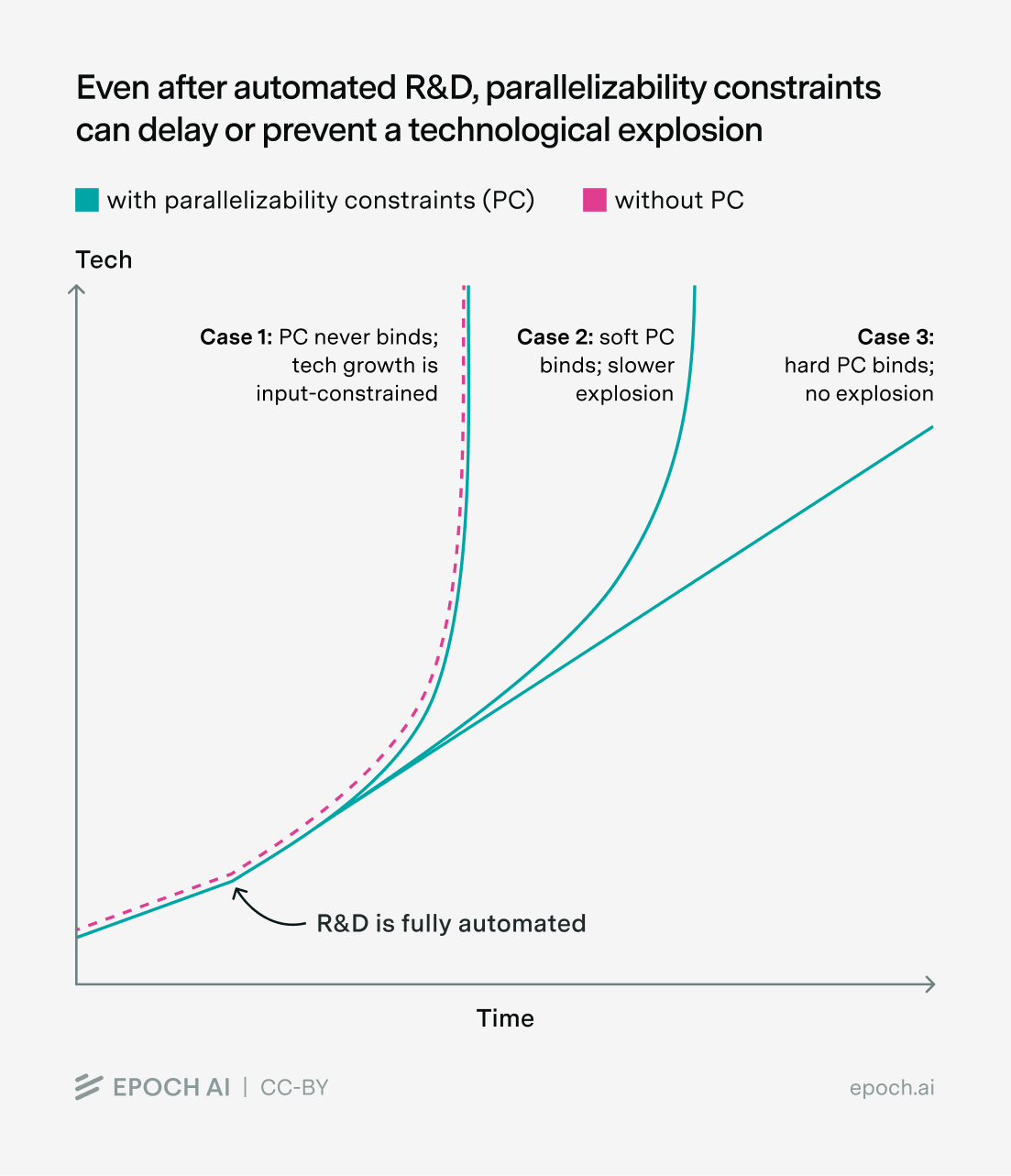
Even with automated AI R&D producing millions of virtual researchers, progress may be capped by our ability to divide, coordinate, and recombine their work. Epoch AI on why parallelization technology is a missing parameter in intelligence explosion models.
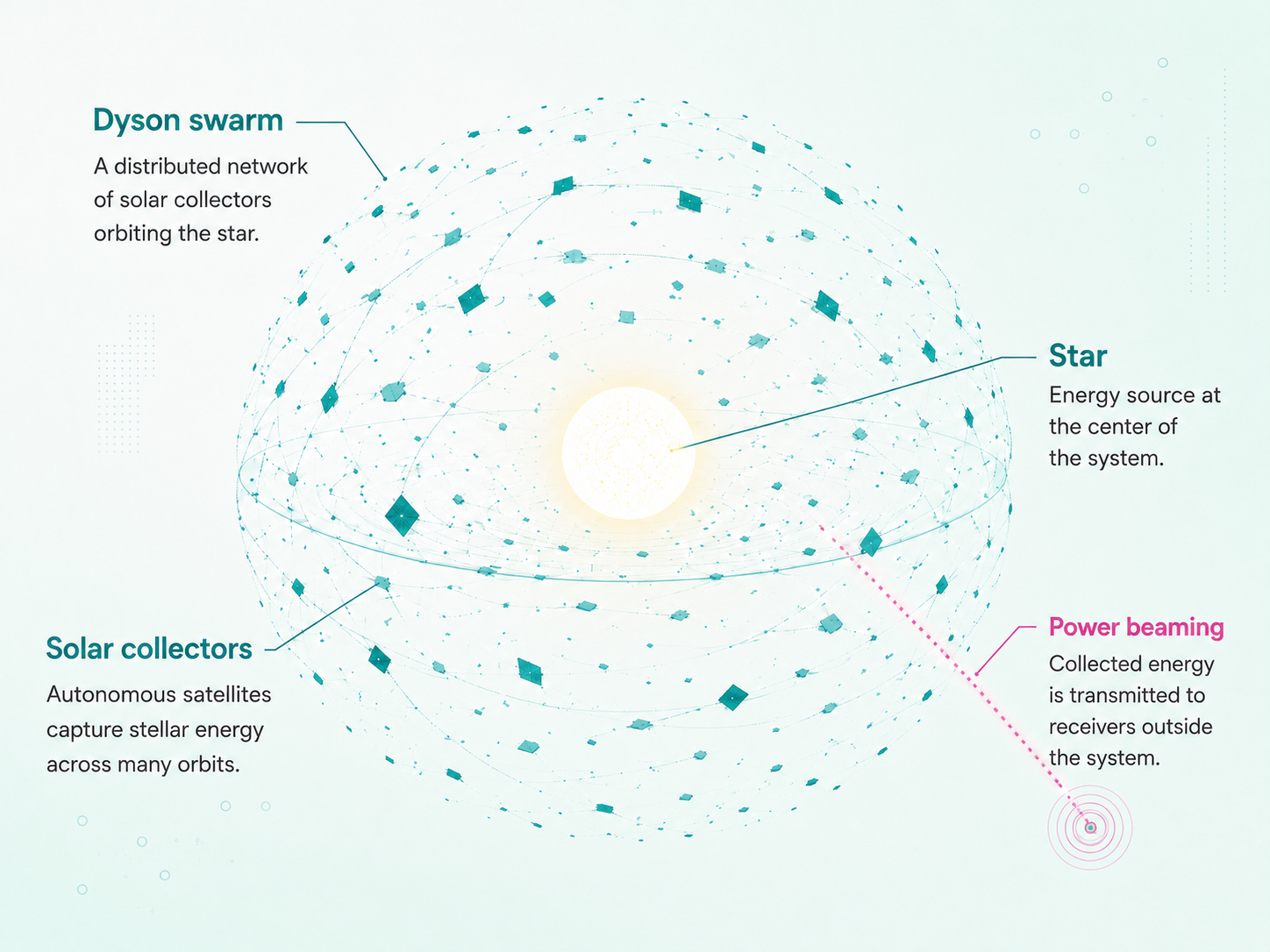
Why we should think a little harder about what it takes to build a Dyson Sphere

Frontier models show no improvement across 30 playthroughs of the board game Earthborne Rangers, scoring far below expert humans. Epoch AI's EBR-bench probes whether AI can learn on the fly.
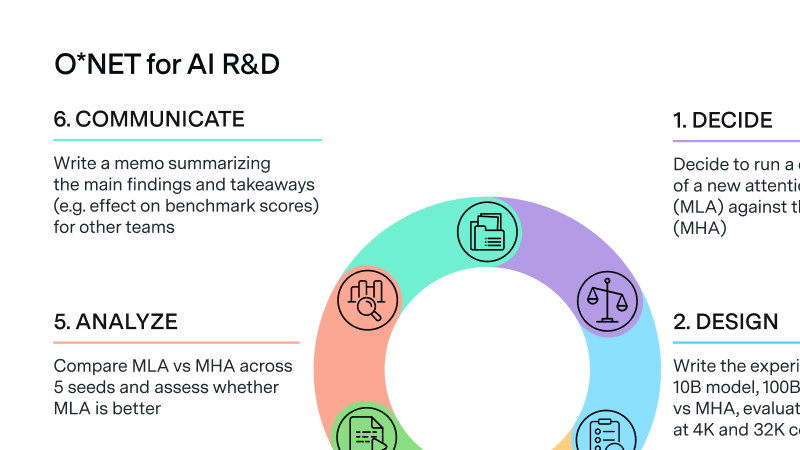
Proposing a new way to track AI research automation
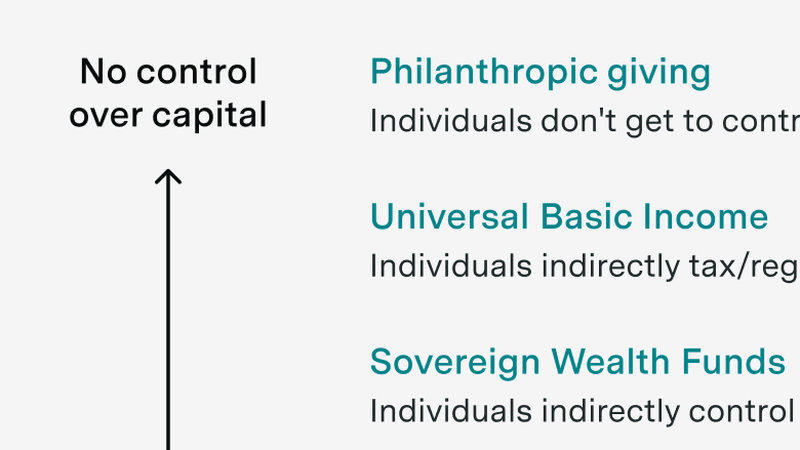
A simple taxonomy of the main proposals for post-AGI universal redistribution.
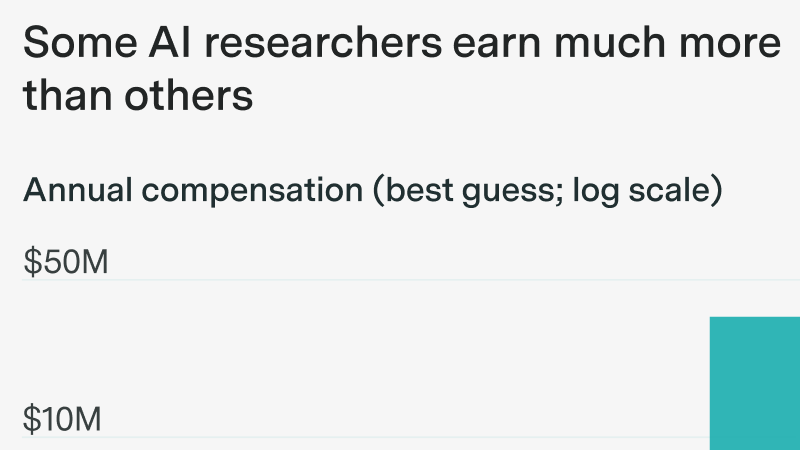
What might explain AI researcher pay, and why it matters
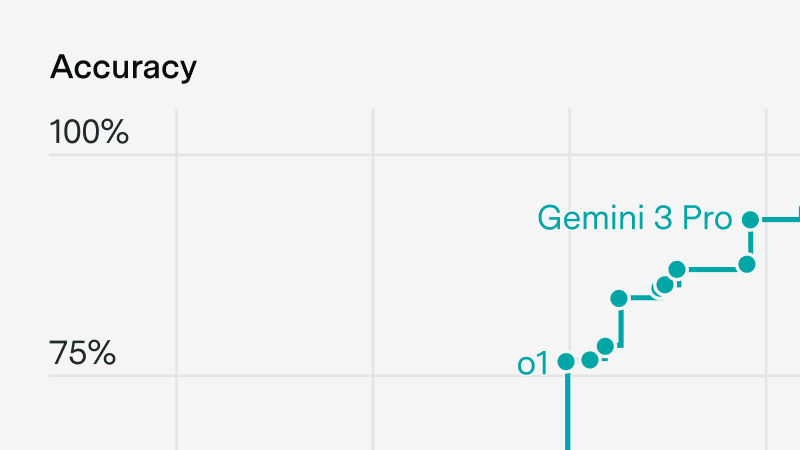
Give up at least one of: text only, short time horizon, easy to grade, and expert human superiority.
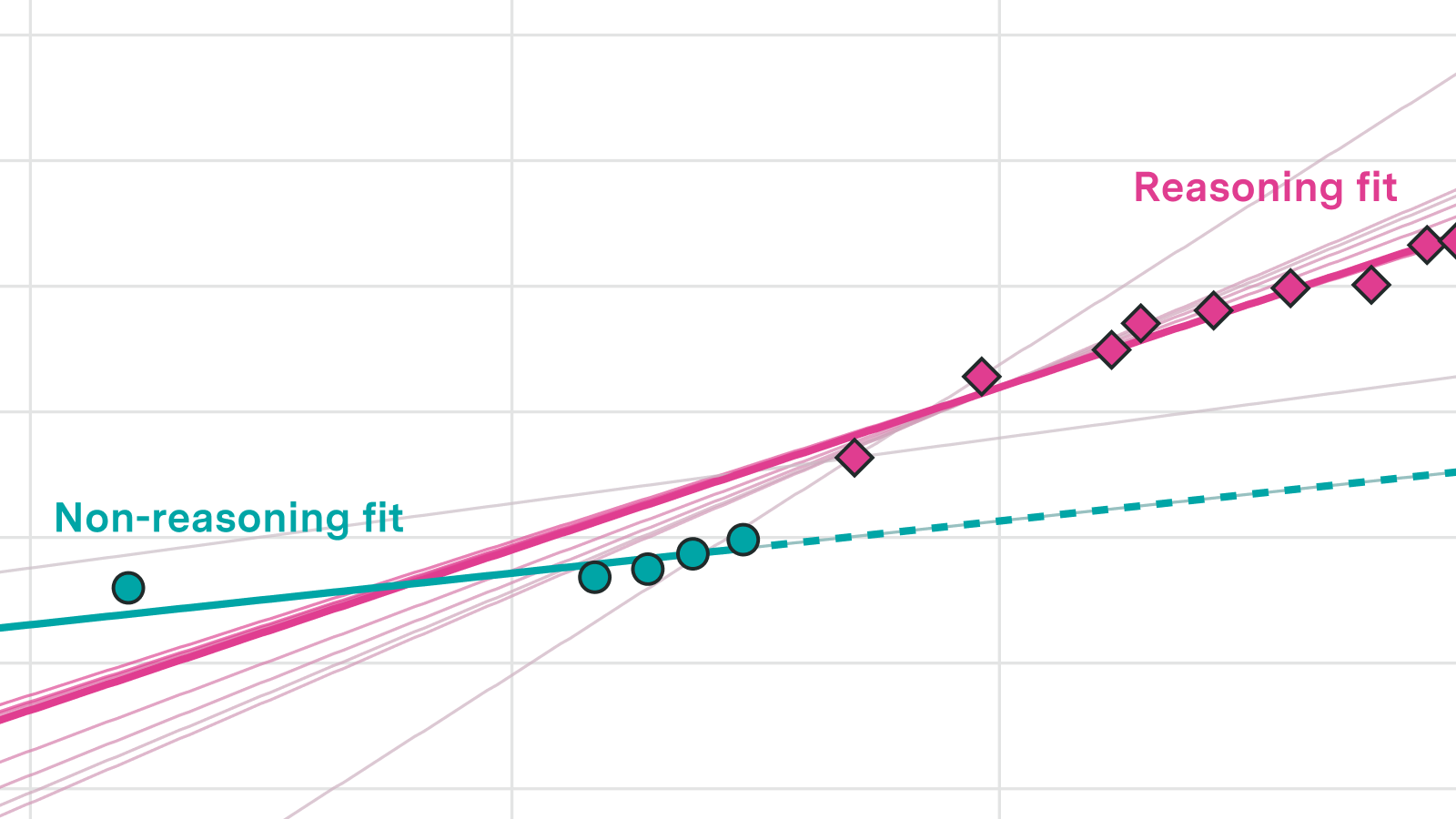
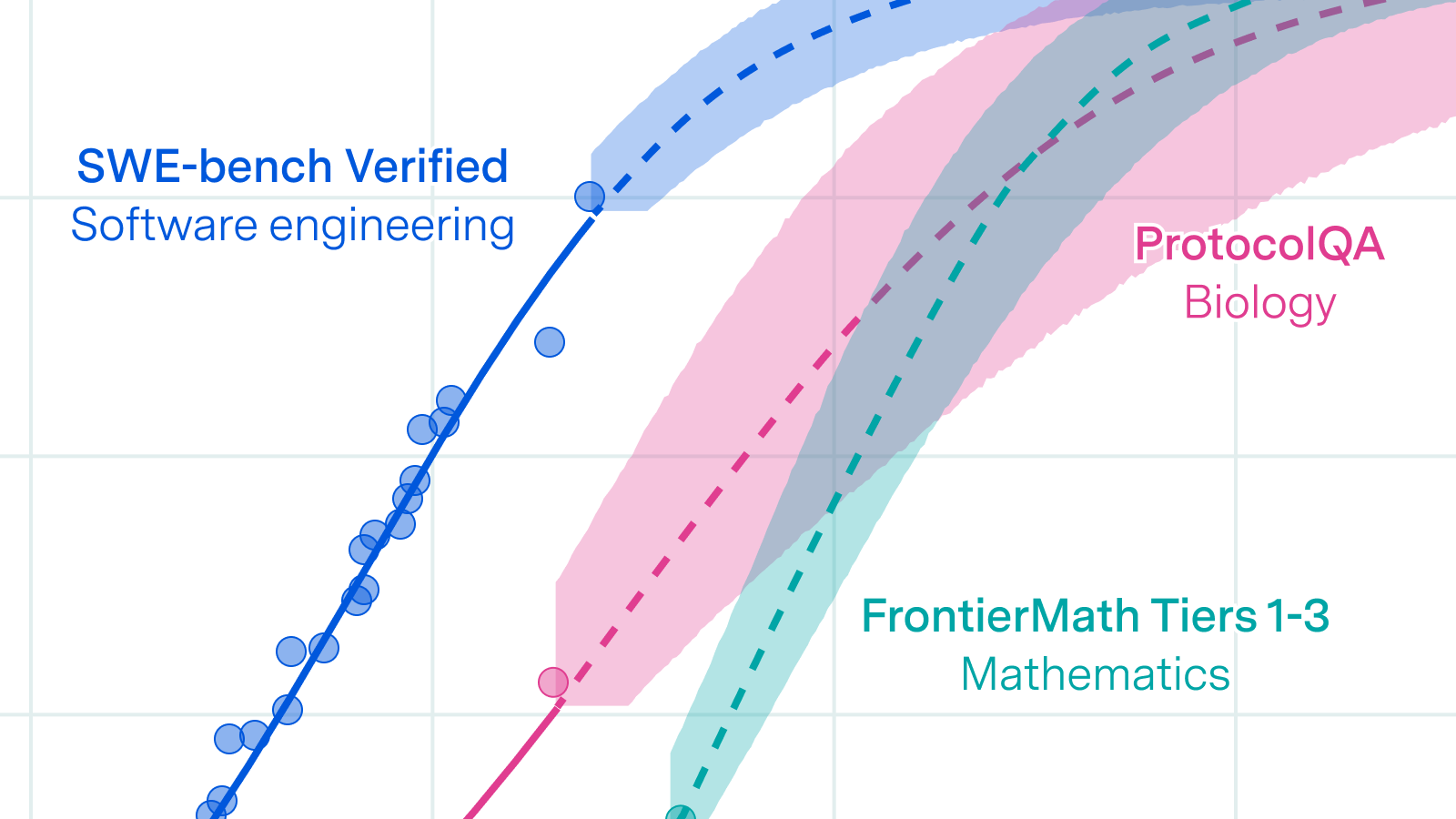
We investigate progress trends on four capability metrics to determine whether AI capabilities have recently accelerated. Three of four metrics show strong evidence of acceleration, driven by reasoning models.
Mostly right about benchmarks, mixed results on real-world impacts

The existing debate rests on data and assumptions that are shakier than most people realize. To make progress, we need better evidence, and experiments are the best way to get it on the margin.