Featured
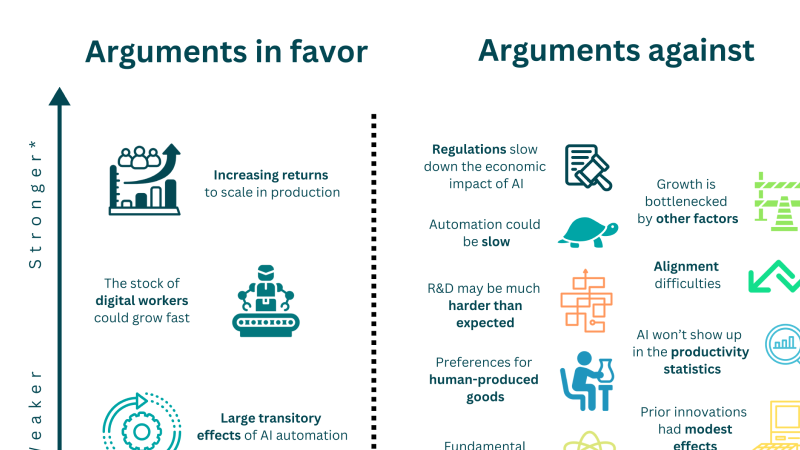
Paper
Sep. 23, 2023
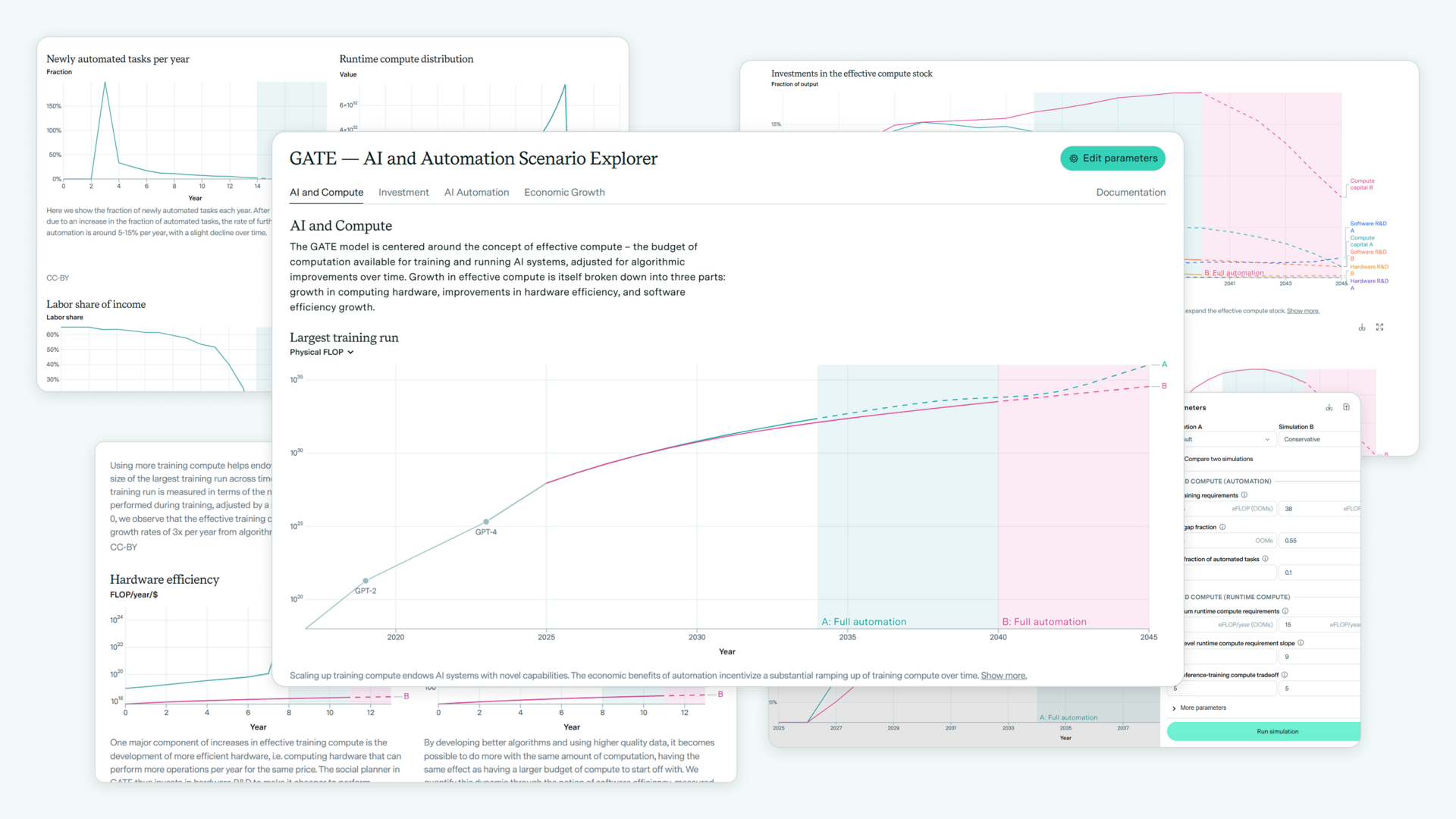
Paper
Mar. 21, 2025

Newsletter
Mar. 21, 2025
AI may reshape the economy more profoundly than any technology in generations. There are strong arguments that automation and productivity gains will be transformative, but precisely what these effects will be and when they will arrive is still uncertain. Epoch examines these questions through both empirical research and formal economic modeling, covering the effects of automation on jobs and wages as well as whether and to what degree AI-driven productivity gains could accelerate economic growth.

One in five US workers say AI now does work they once handed to a coworker or contractor, per a new Epoch AI/Ipsos survey of 1,106 employed adults.
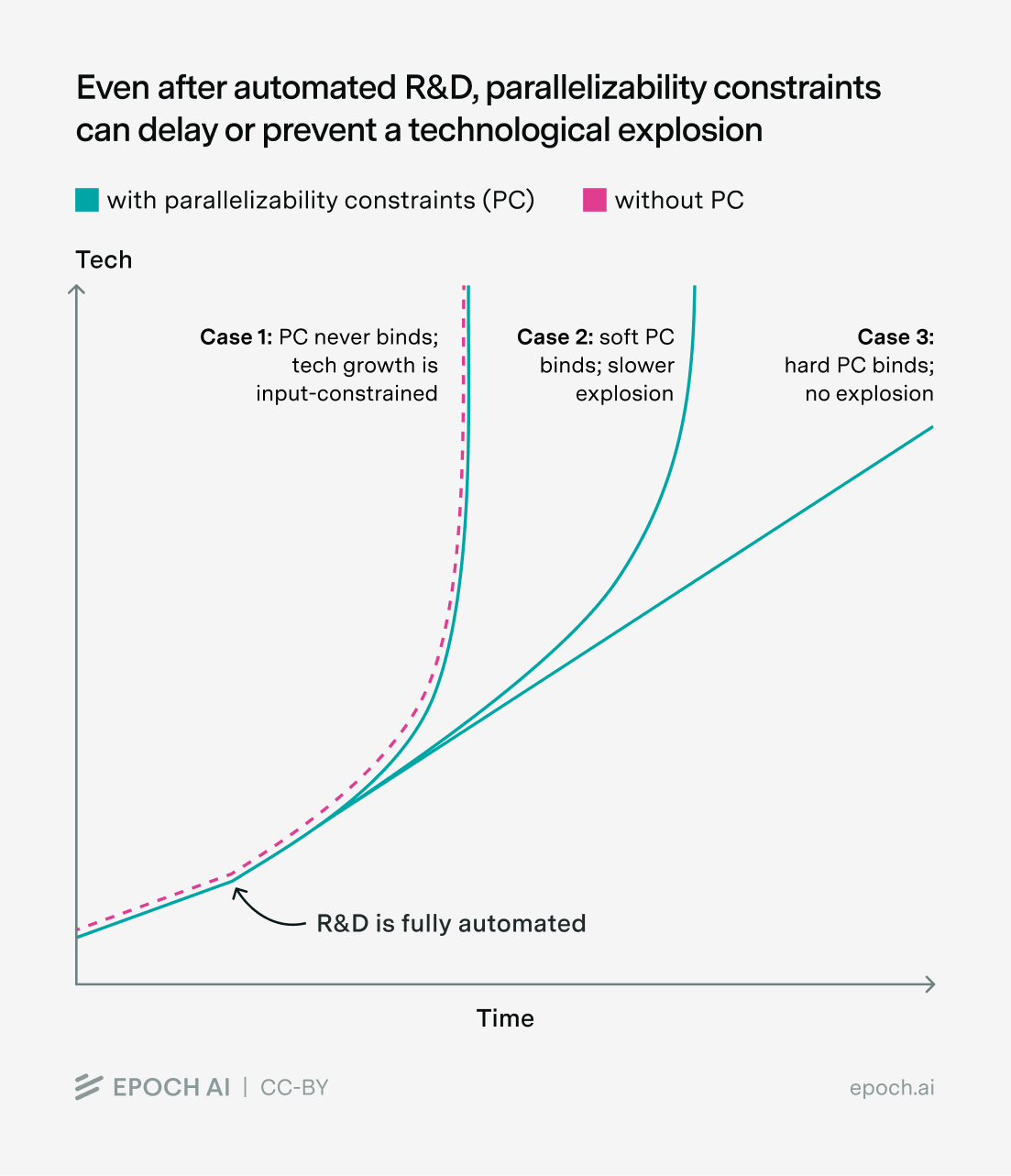
Even with automated AI R&D producing millions of virtual researchers, progress may be capped by our ability to divide, coordinate, and recombine their work. Epoch AI on why parallelization technology is a missing parameter in intelligence explosion models.
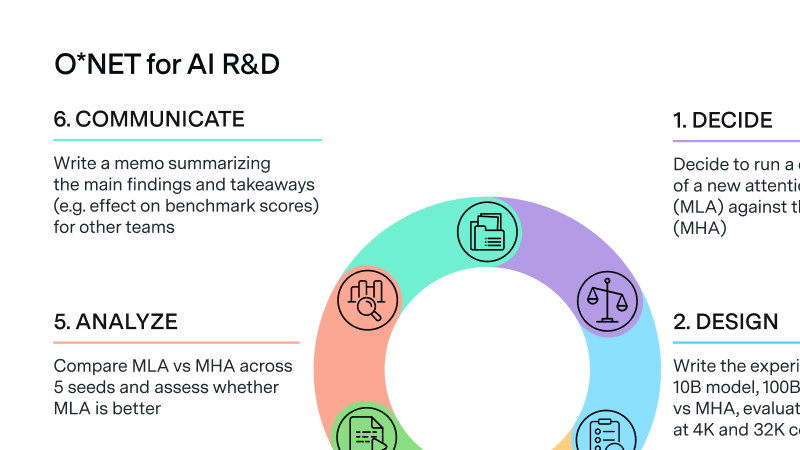
Proposing a new way to track AI research automation
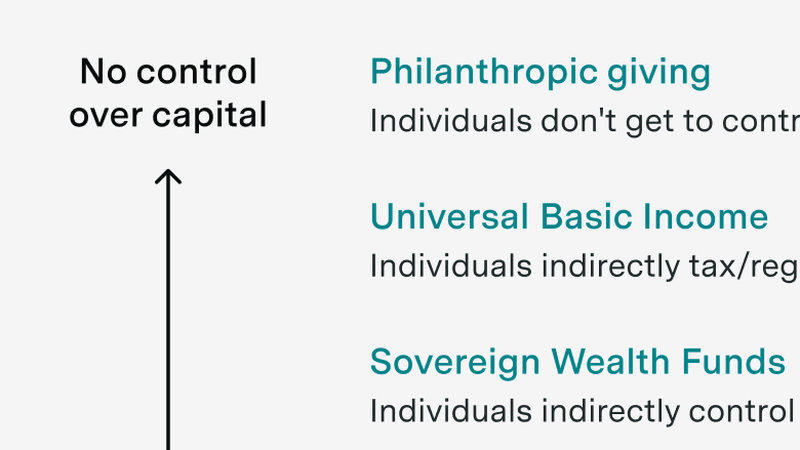
A simple taxonomy of the main proposals for post-AGI universal redistribution.
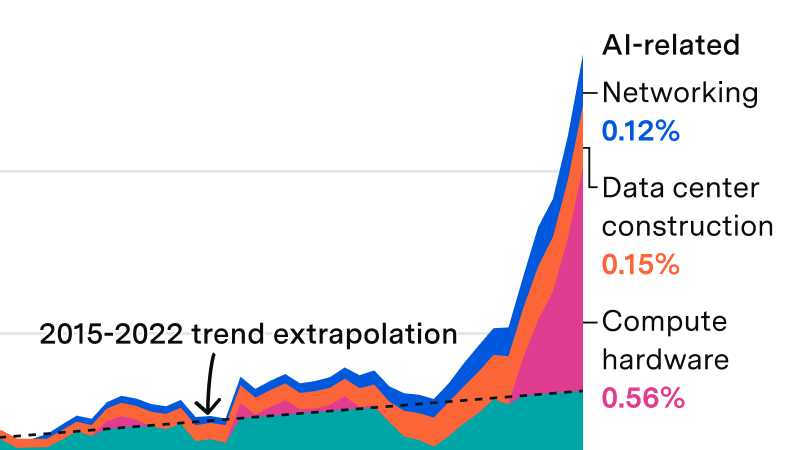
Investment spending on AI data centers, hardware, and networking together amounted to 1.4% of US GDP in Q1 2026, up from 0.7% — a rapid rise driven by AI infrastructure that has made the buildout a leading driver of growth in US private investment.
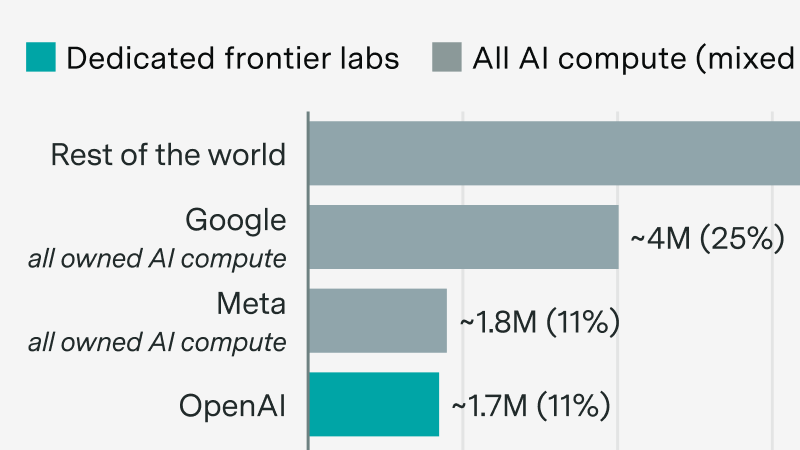
OpenAI, Anthropic, and xAI used just 20-30% of global AI compute in 2025, despite launching the AI boom. Epoch AI's analysis of frontier lab compute allocation and growth trajectories through 2027.

What might explain AI researcher pay, and why it matters
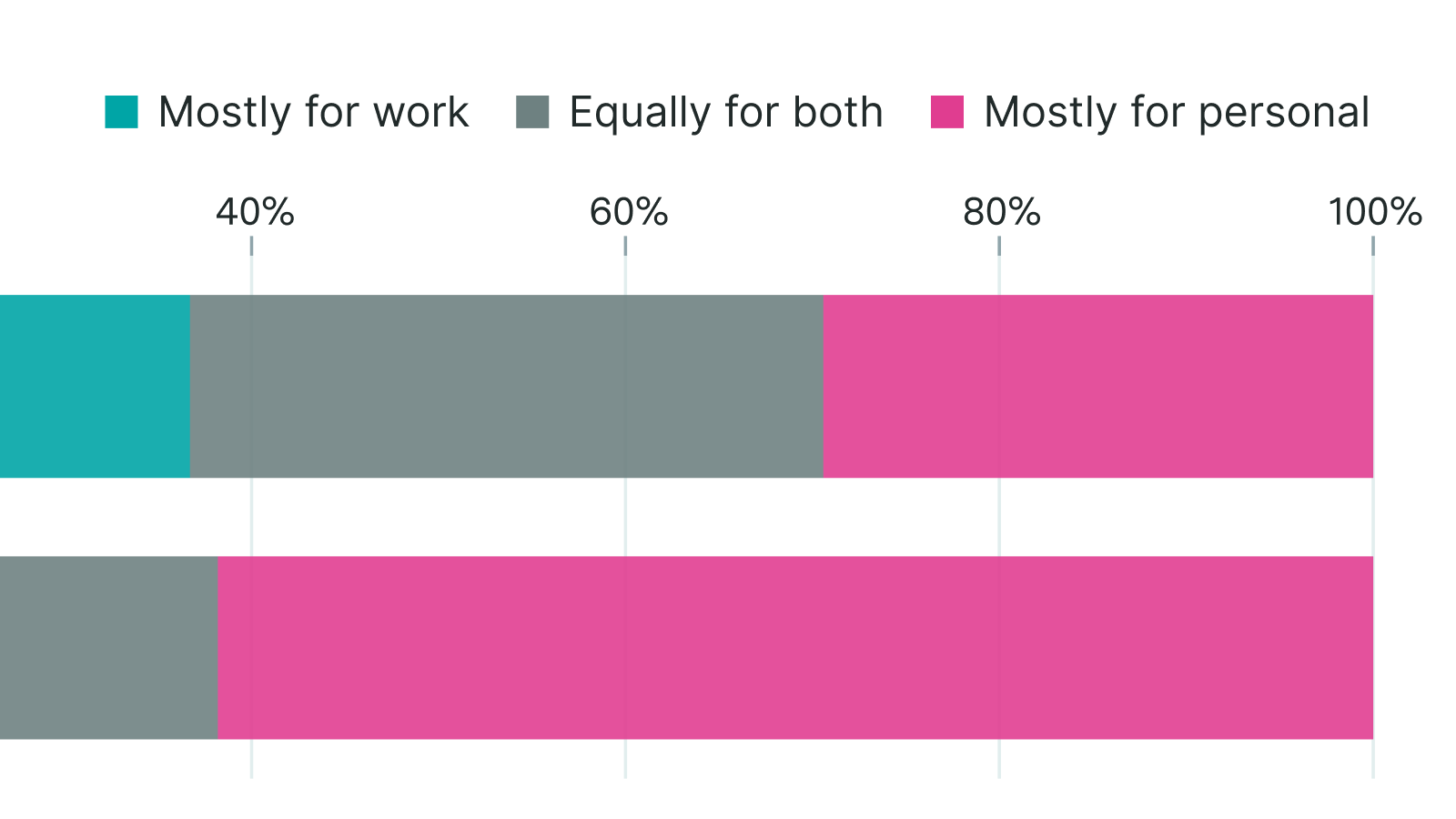
We surveyed over 2,000 Americans on how they use AI at work: who uses it, how much, which services, and whether it's replacing or creating tasks.
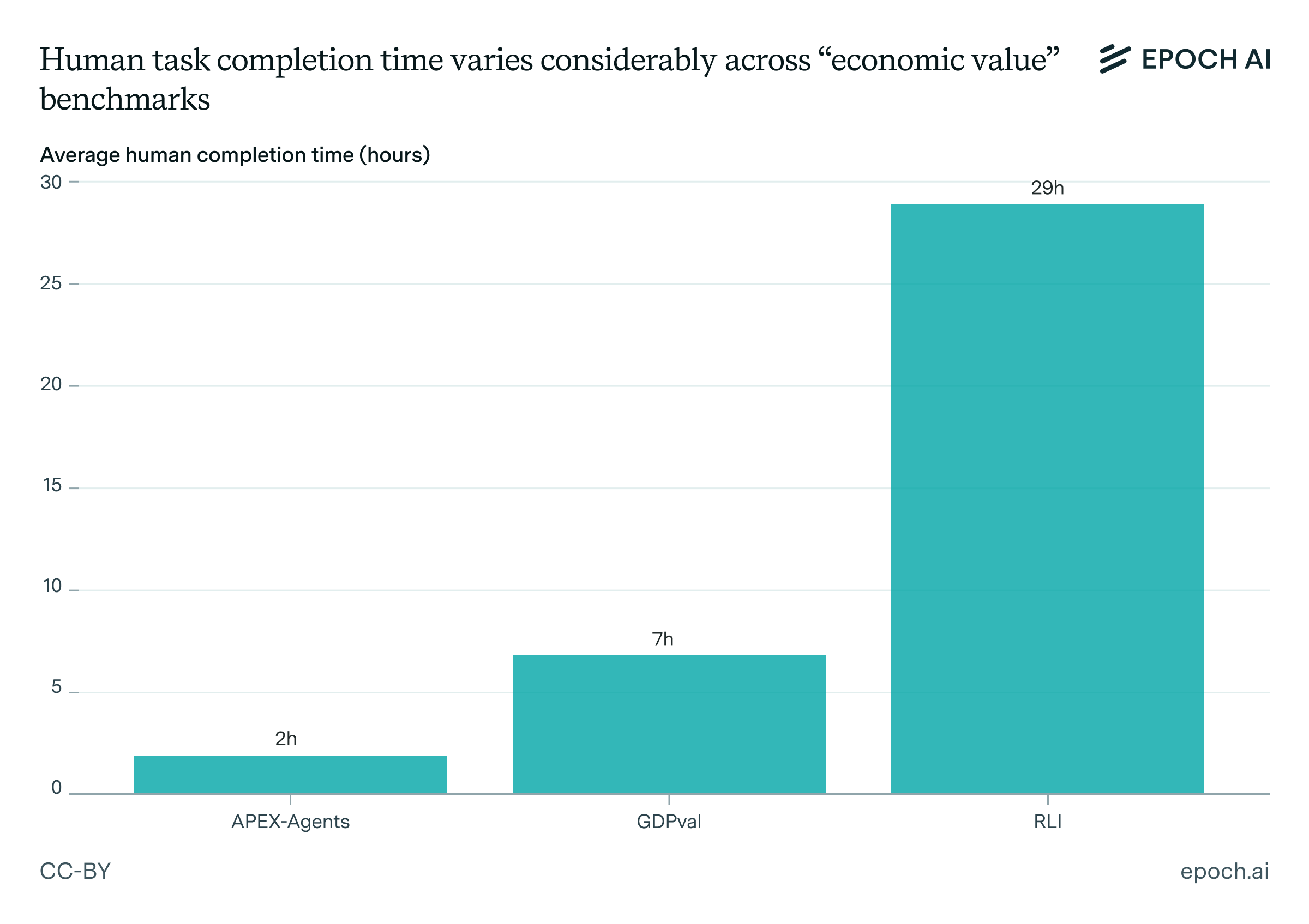
These benchmarks track a wide range of digital work. Progress will correlate with economic utility, but tasks are too self-contained to indicate full automation.
Beyond benchmarks as leading indicators for task automation