Featured
Topic Overview
Updated Jul. 14, 2026

Data
Updated Aug. 4, 2026

Data
Updated Jul. 22, 2026
AI chips are the specialized hardware behind modern AI, designed to handle the massive computational demands of training and running advanced models. They are at the center of a global competition for compute, with performance improving rapidly and demand surging. Epoch tracks trends in AI chip performance, energy efficiency, and price-performance over time, as well as the supply chain dynamics and geopolitical factors shaping who has access to the most advanced hardware.
We present key data on over 170 AI accelerators, such as graphics processing units (GPUs) and tensor processing units (TPUs), used to develop and deploy machine learning models in the deep learning era.

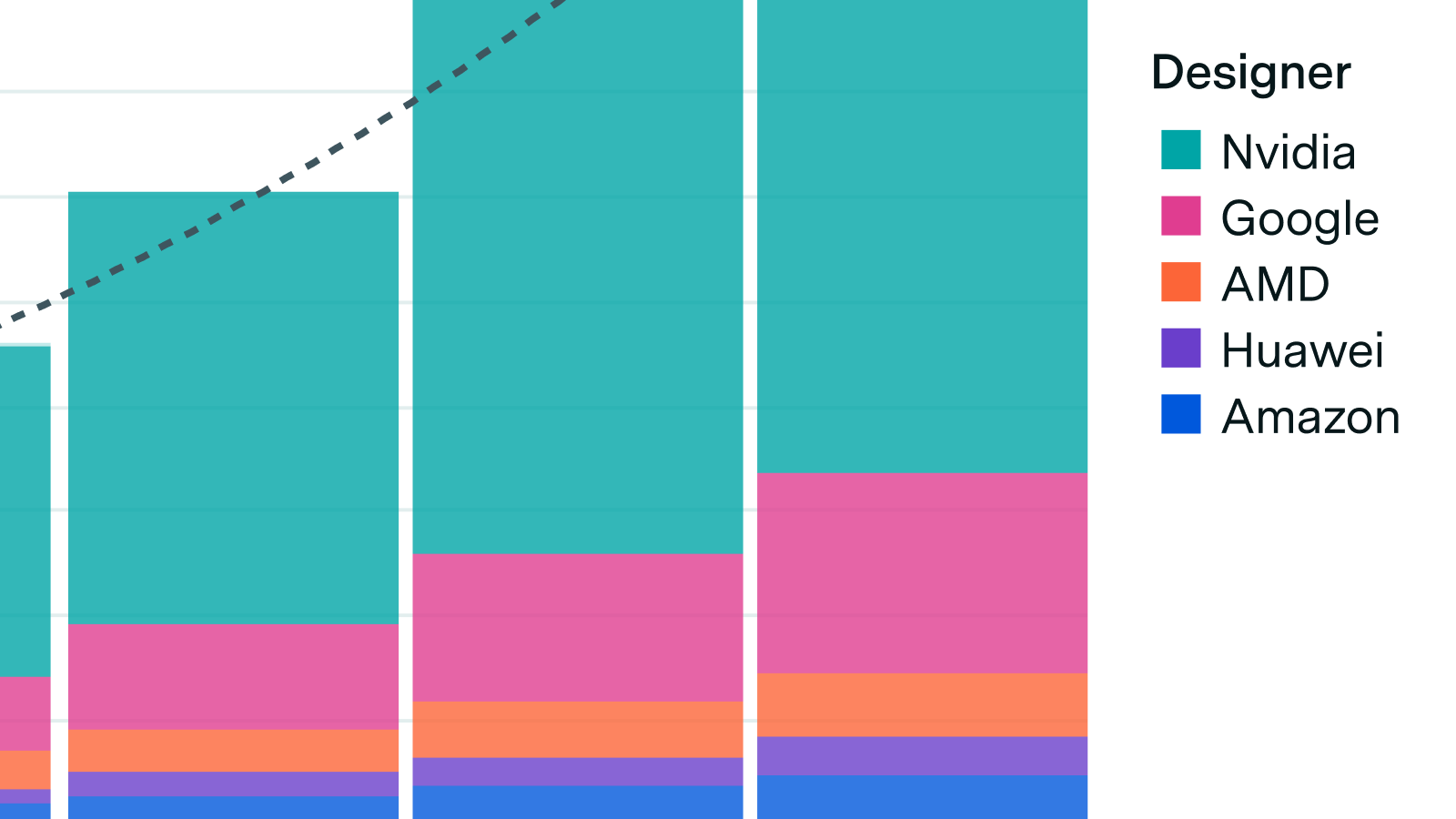
Our estimates of how much advanced logic wafer capacity, CoWoS packaging, and HBM memory leading AI chip designers consumed.

Our open database of AI Chip sales, using financial reports, company disclosures, and more to estimate compute, power usage, and spending over time for a wide variety of AI chips.
A look at the specialized hardware driving modern AI — why chips cost tens of thousands of dollars each, and why demand continues to outstrip supply.
Our estimates of how the world’s leading AI chips and compute capacity are distributed among major players and customer categories.

Our database of over 500 GPU clusters and supercomputers tracks large hardware facilities, including those used for AI training and inference.
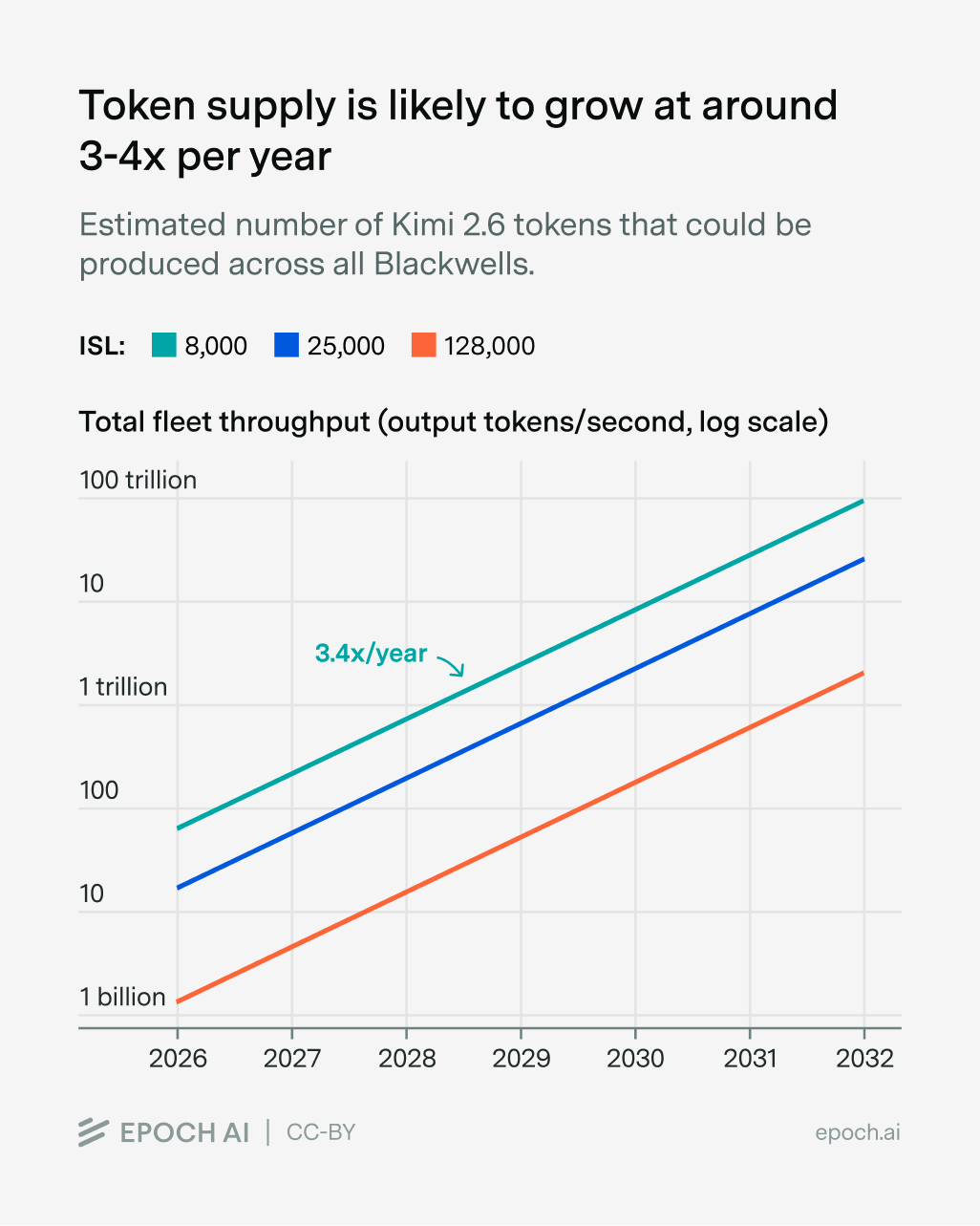
We estimated trends in global inference capacity and found that token demand appears to be growing much faster than supply.
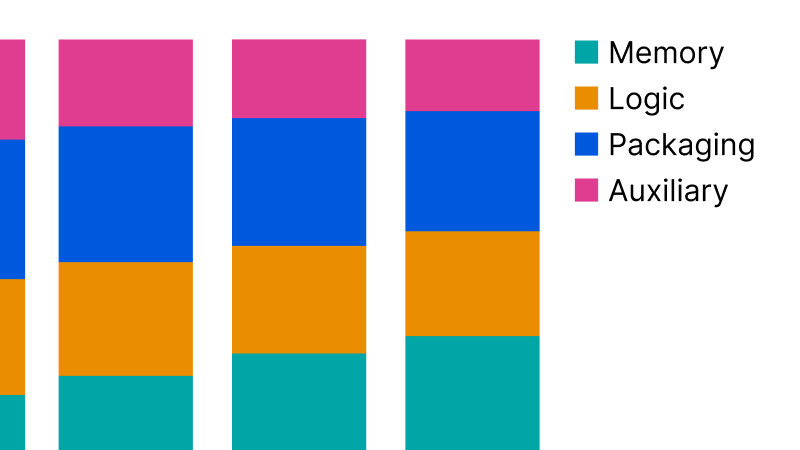
High-bandwidth memory (HBM) accounts for 63% of AI chip component costs, up from 52% in Q1 2024. Epoch AI's breakdown of component cost shifts across major chip designers.
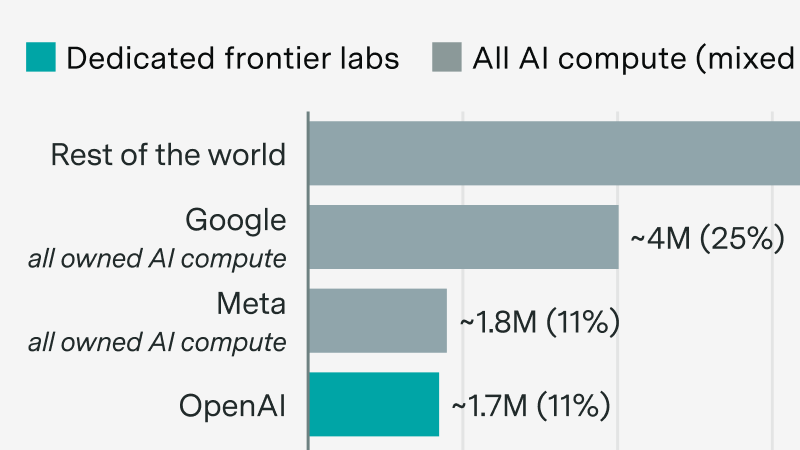
OpenAI, Anthropic, and xAI used just 20-30% of global AI compute in 2025, despite launching the AI boom. Epoch AI's analysis of frontier lab compute allocation and growth trajectories through 2027.
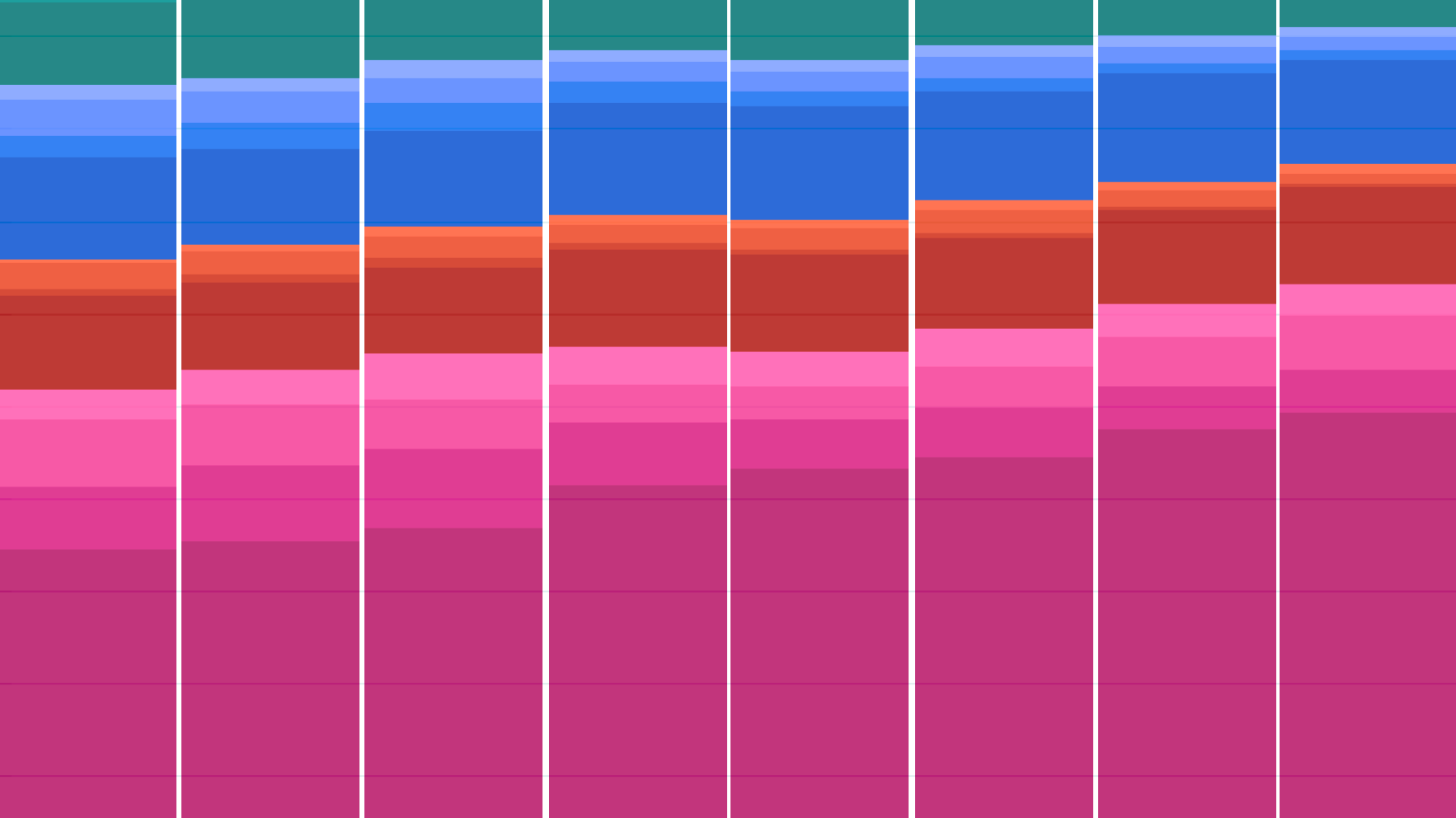
Advanced packaging constrained AI chip production in late 2024, followed by HBM memory bottlenecks through 2025. Epoch AI's analysis of semiconductor manufacturing capacity consumed by leading AI chip designers.