Featured
Data Insight
May 29, 2026
Report
Nov. 4, 2024
Data Insight
Aug. 15, 2025
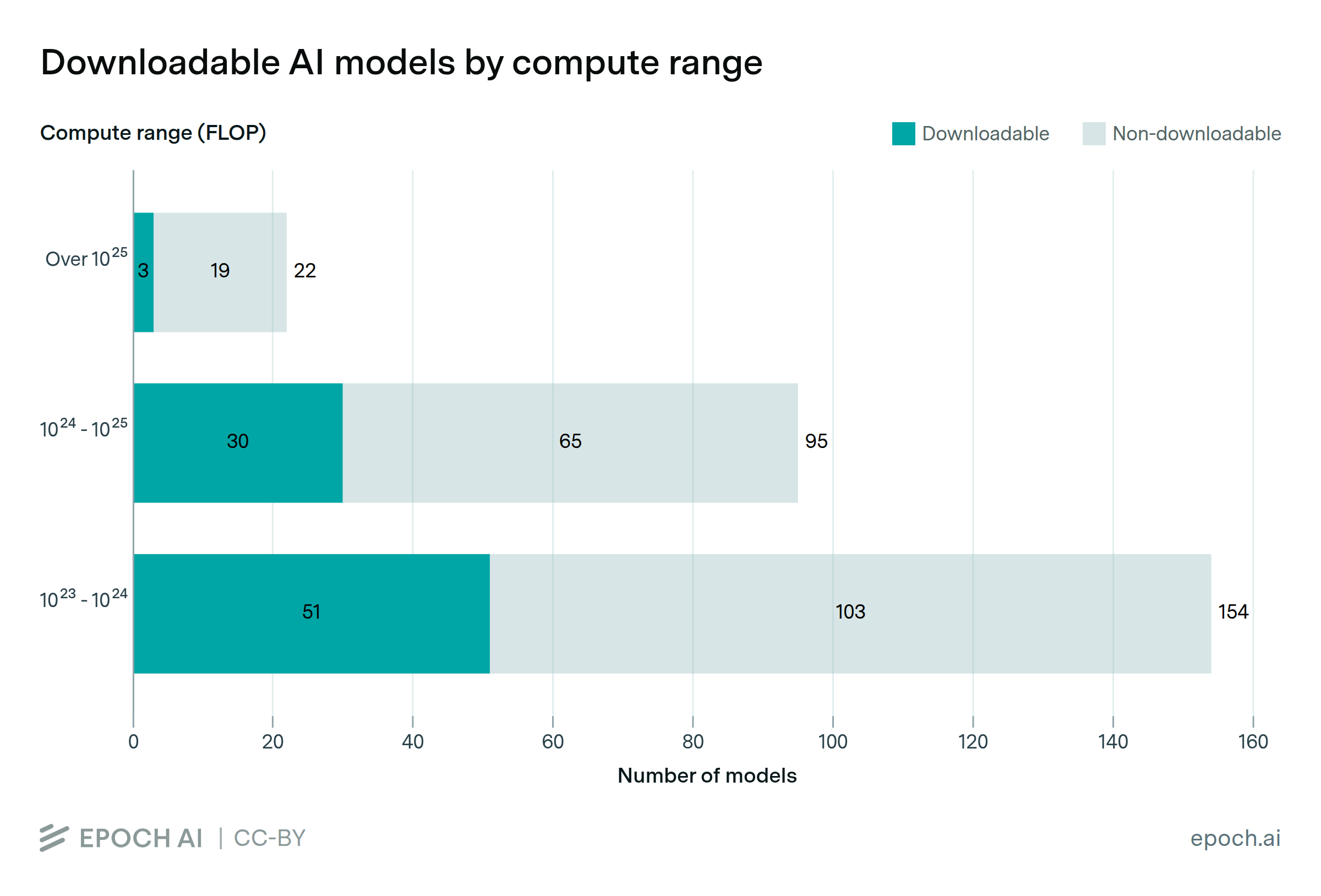
Some of the most powerful AI systems in the world are available for anyone to download, run, and build on. Others remain fully proprietary. These open models, which include open-weight releases where a model's core parameters are made public, are getting closer to matching the most capable proprietary systems. Epoch tracks how far behind open models are, how fast the gap is closing, and how quickly frontier AI capabilities become widely accessible.
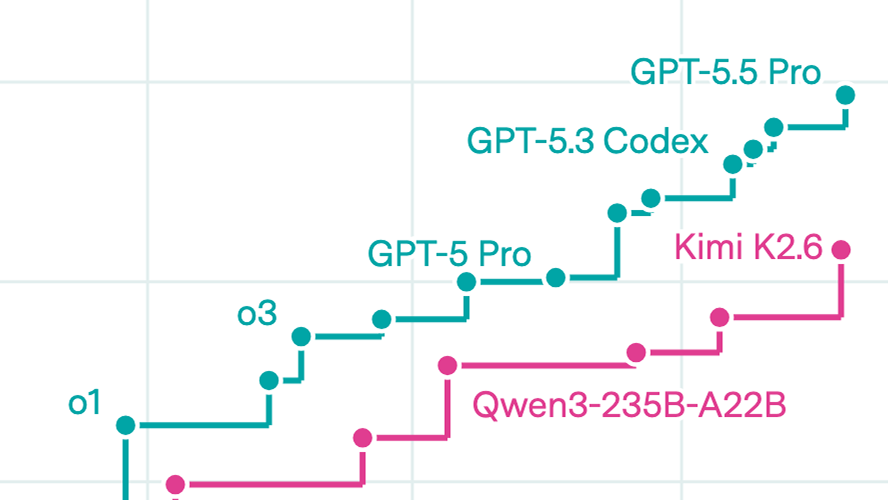
Since January 2026, the most capable open-weight models have lagged frontier closed models by an average of four months, or 8 ECI points.
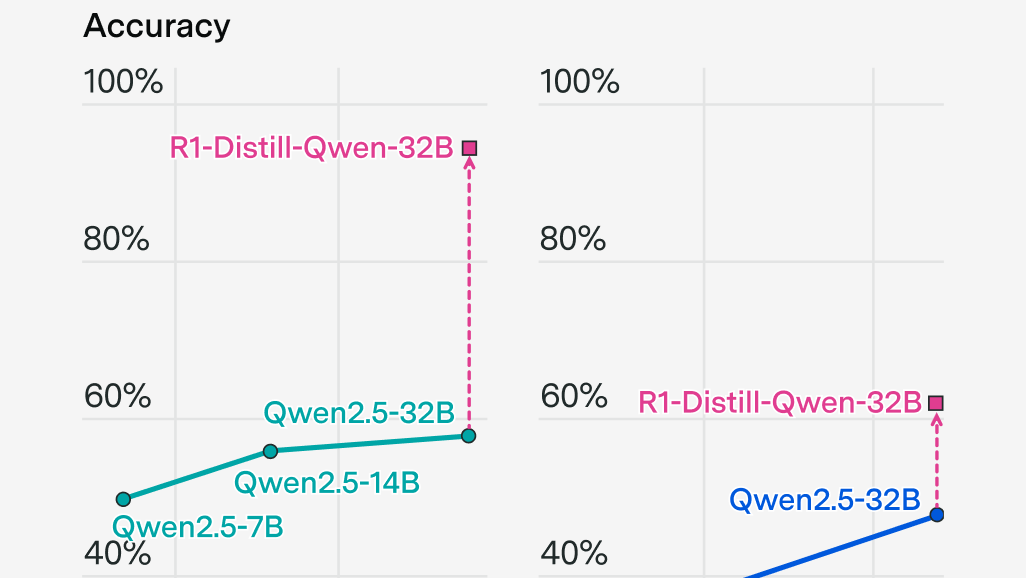
Can Chinese and open model companies compete with the frontier through e.g. distillation and talent?
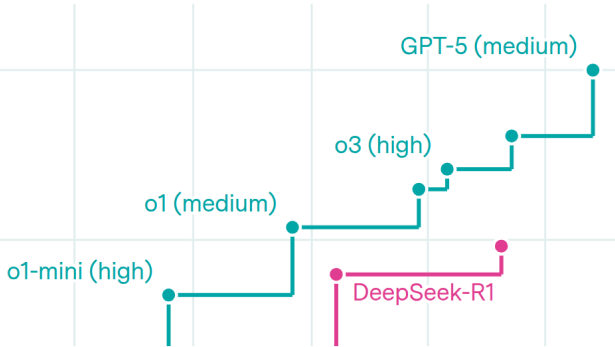
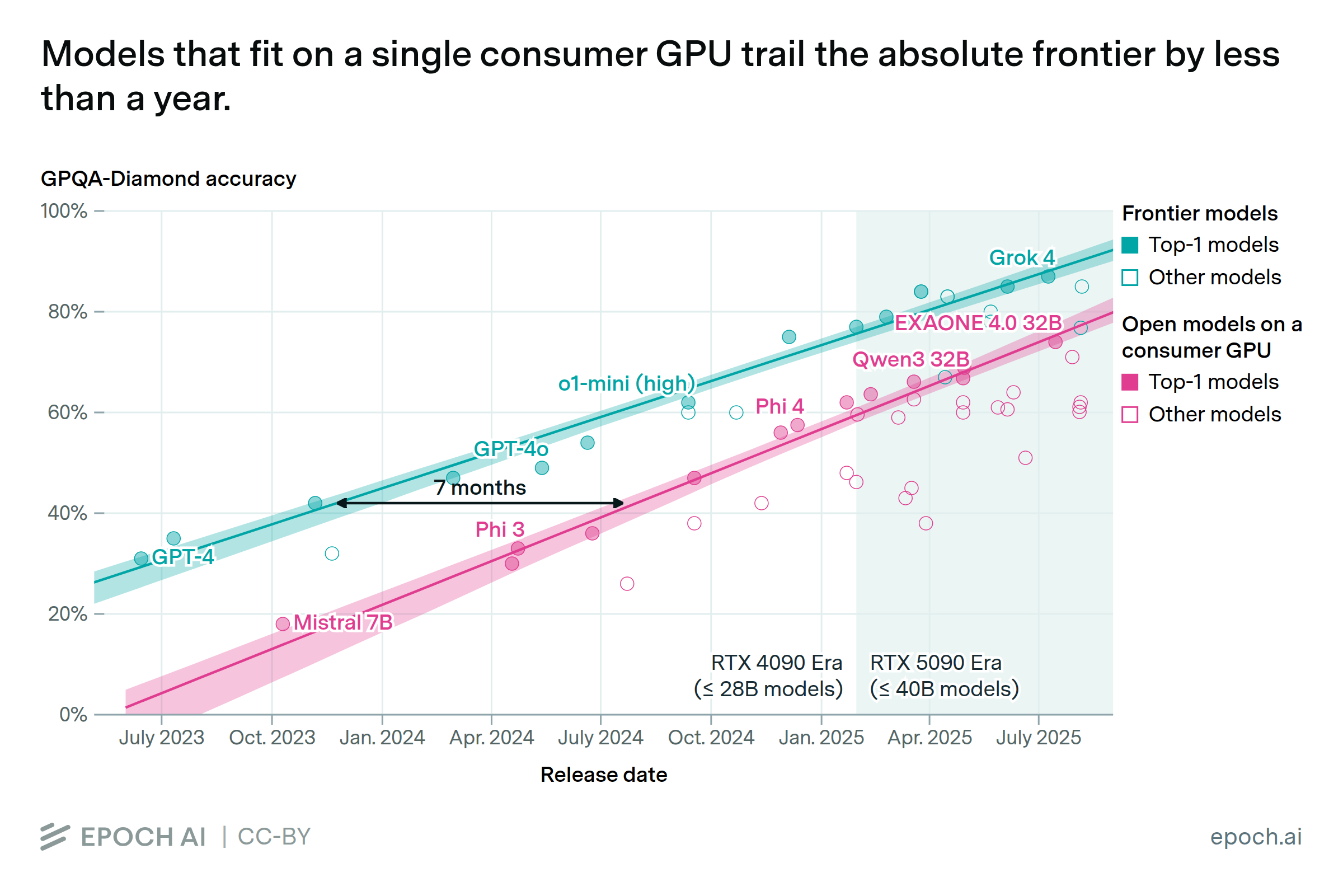
Models that fit on consumer GPUs match the performance of frontier AI within a year or less.
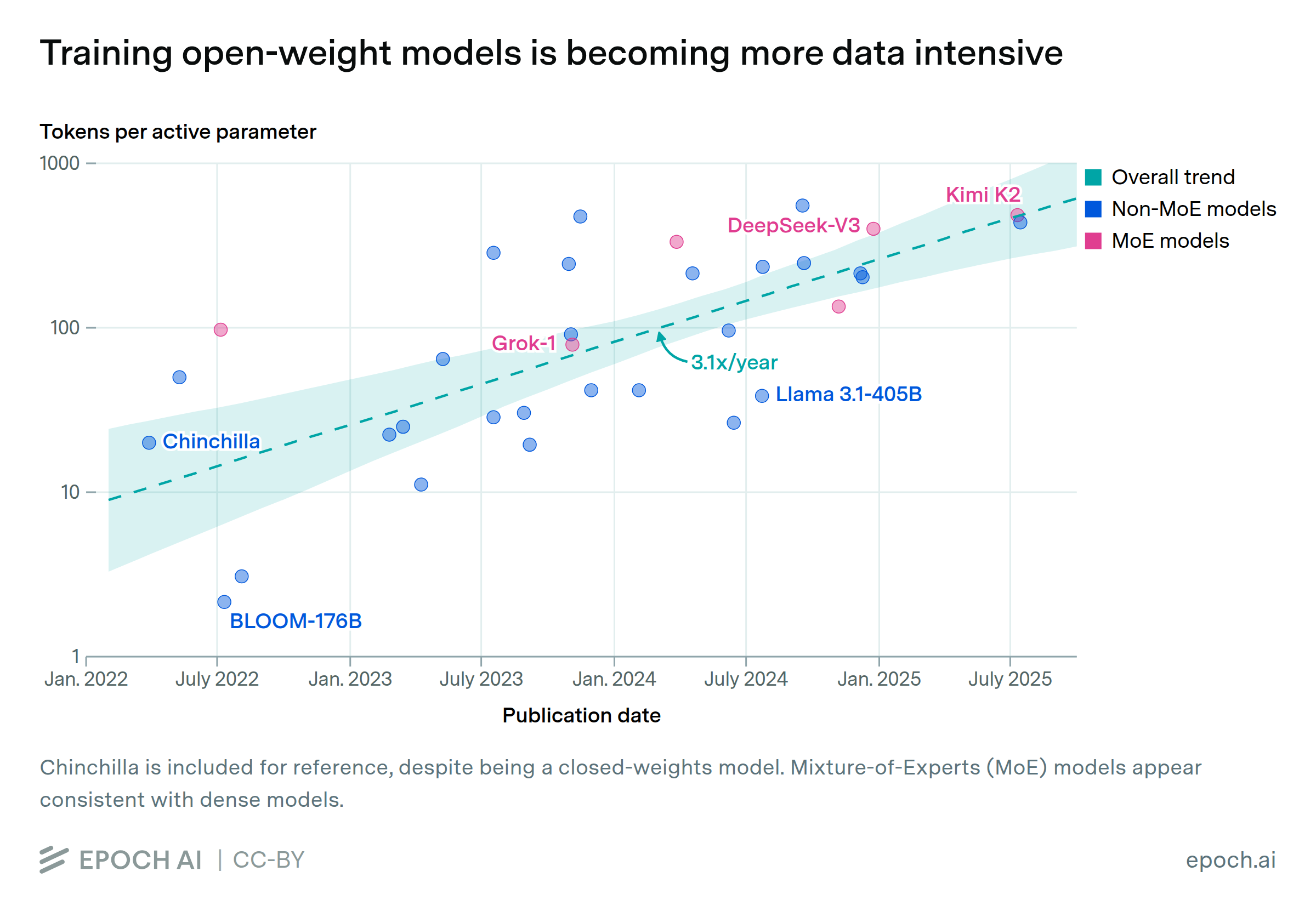
The ratio of training data to active parameters in open-weight LLMs has grown 3.1x per year since 2022. Recent models LLMs have been trained with 20 times more data per parameter than the optimal ratio suggested by the 2022 Chinchilla scaling laws.
This Gradient Updates issue explores DeepSeek-R1's architecture, training cost, and pricing, showing how it rivals OpenAI's o1 at 30x lower cost.
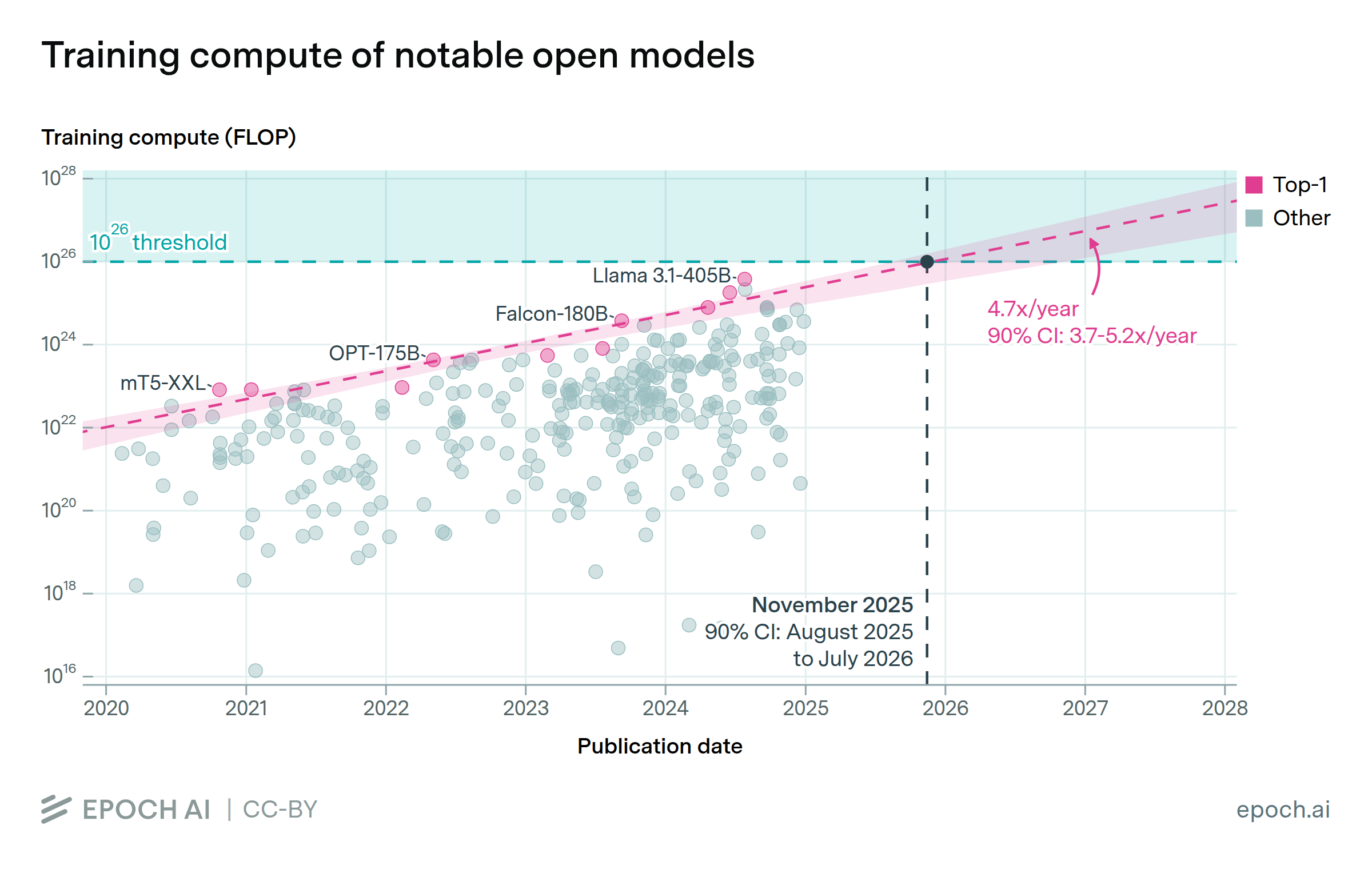
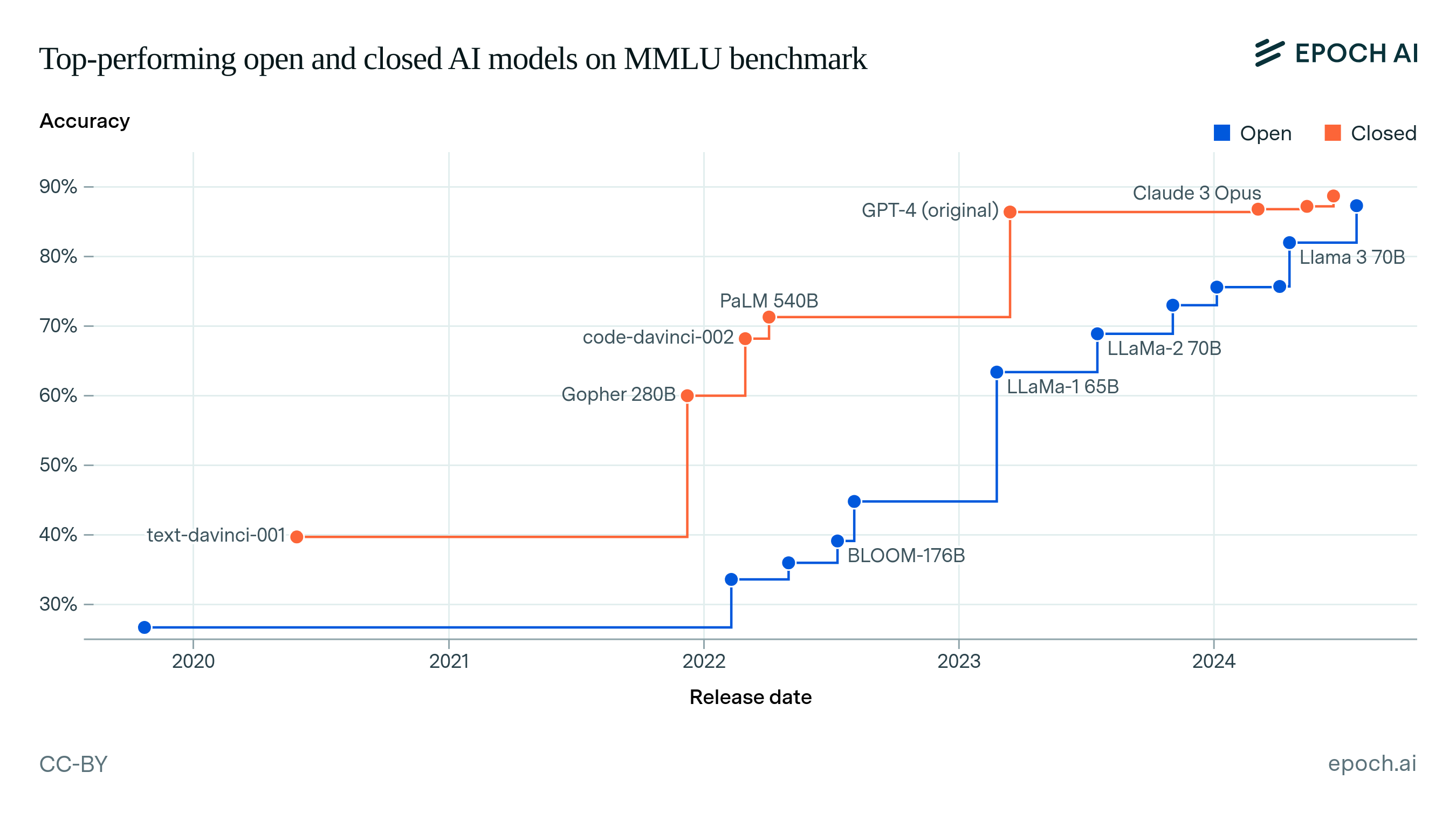
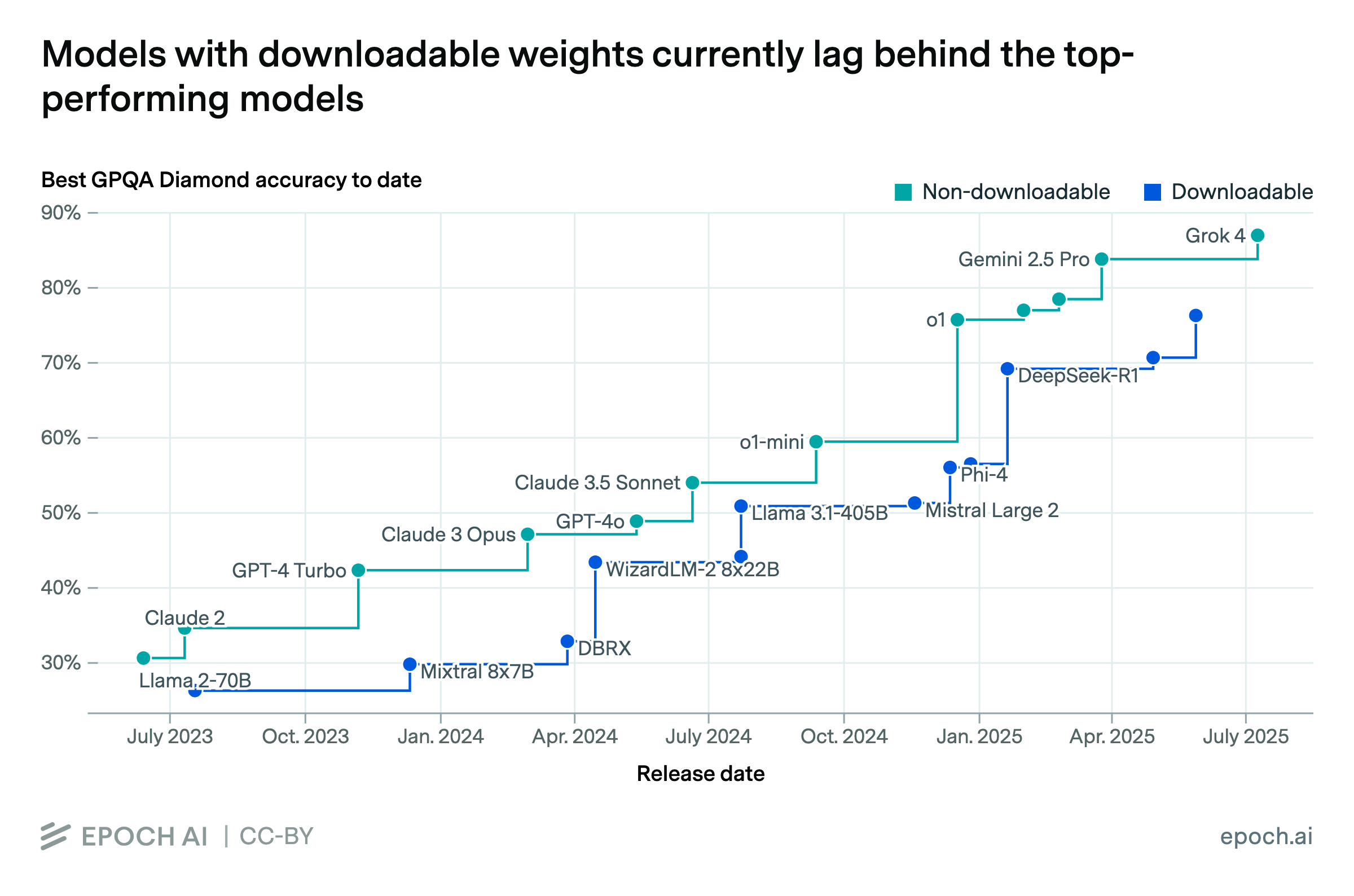
Analysis of open vs. closed AI models reveals the best open model today matches closed models in performance and training compute, but with a one-year lag.