

One in five US workers say AI now does work they once handed to a coworker or contractor, per a new Epoch AI/Ipsos survey of 1,106 employed adults.
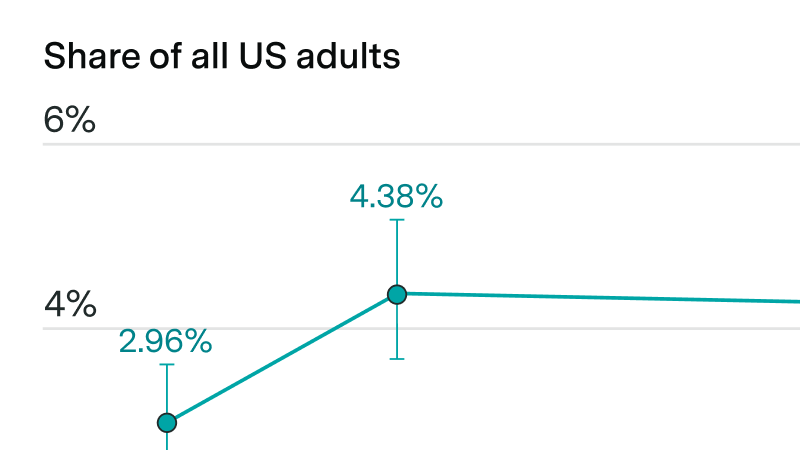
Claude was the only AI tool to show significant usage growth across three Epoch AI/Ipsos survey waves in March-April 2026.
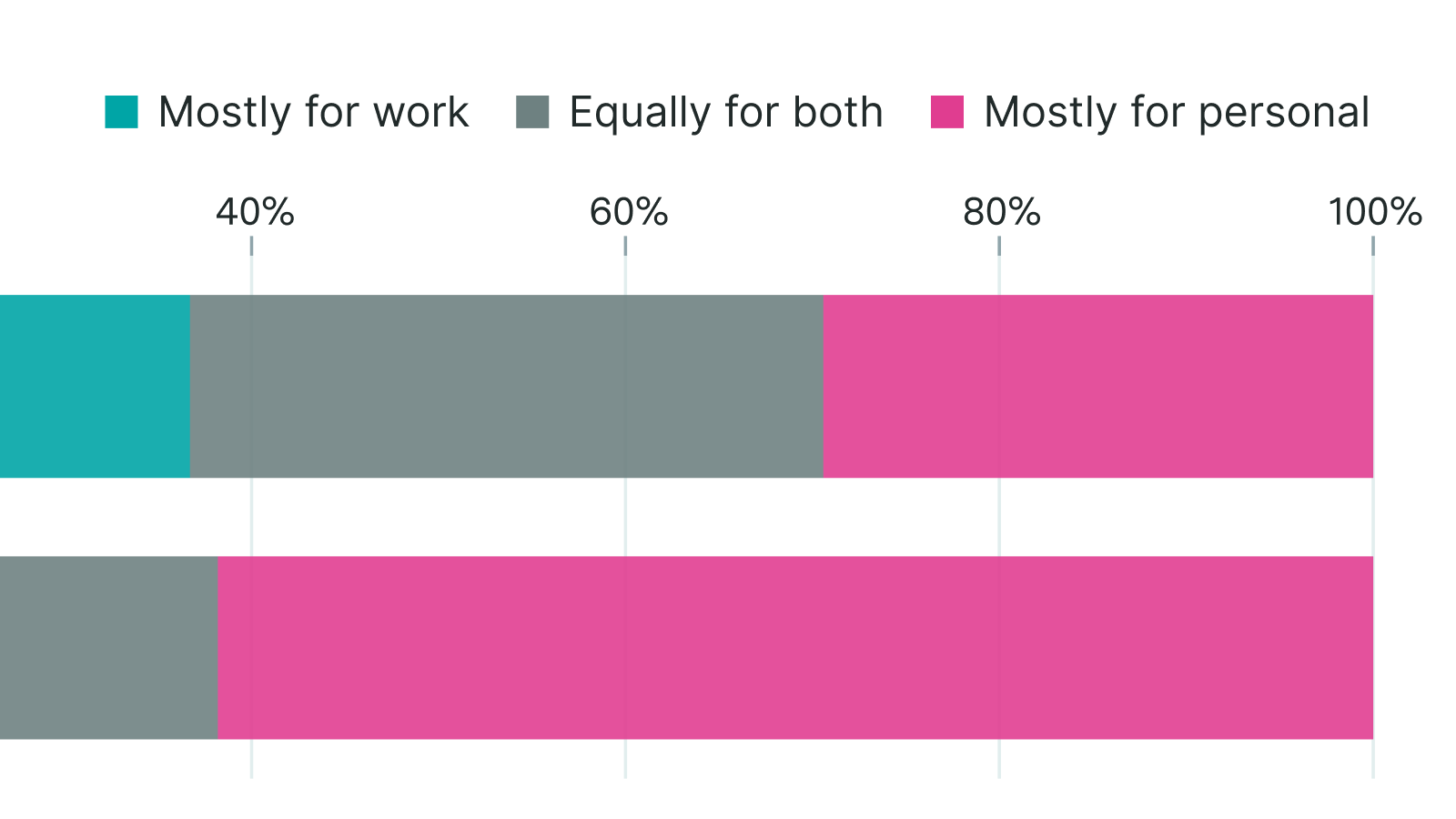
We surveyed over 2,000 Americans on how they use AI at work: who uses it, how much, which services, and whether it's replacing or creating tasks.
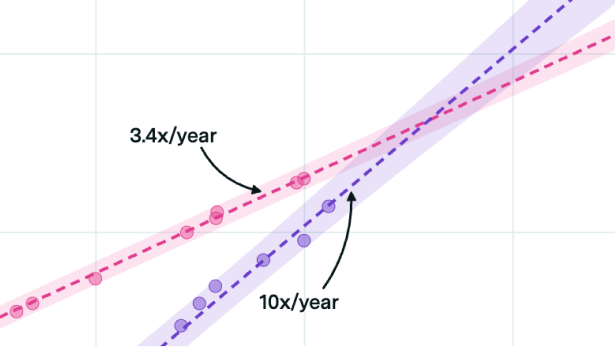
Anthropic's annualized revenue has been growing at 10× per year since reaching $1B, outpacing OpenAI's growth of 3.4× per year. Anthropic will pass OpenAI by mid-2026 if these trends continue. However, Anthropic's growth may be slowing—since July 2025 it has only grown at a rate of 7× per year.
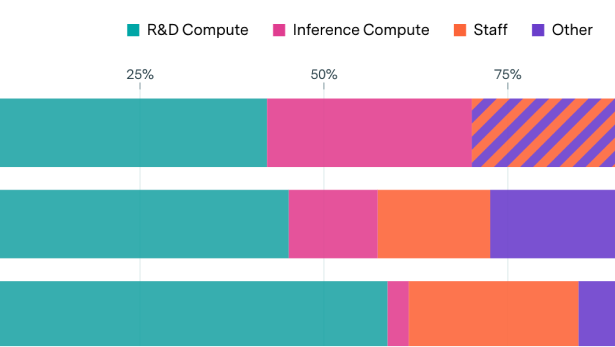
Across three AI companies where we can make estimates, compute is the dominant expense: R&D and inference compute together make up 54% to 62% of costs. Despite AI labs offering some of the highest salaries in tech, spending on staff accounts for less than 25% of total spending.
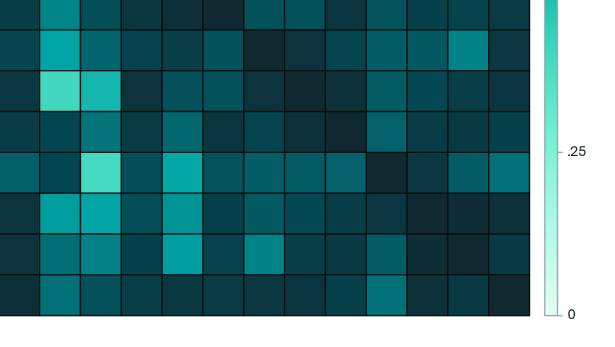
Model rankings are remarkably consistent across most AI benchmarks. Across 16 benchmarks with at least 10 models overlapping, the median pairwise correlation is 0.79. Almost 75% of benchmark pairs have correlations above 0.6.
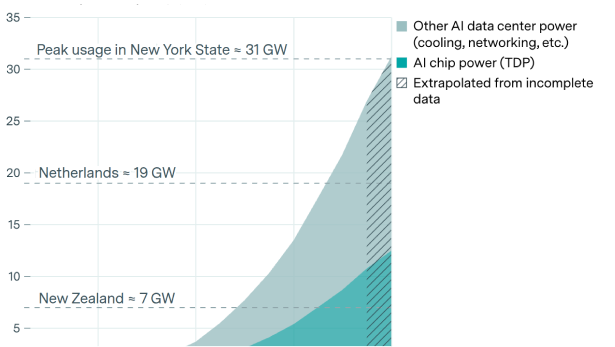
Total AI data center power capacity reached approximately 30 GW in the last quarter of 2025—comparable to peak power usage in New York State, and outstripping many developed countries.
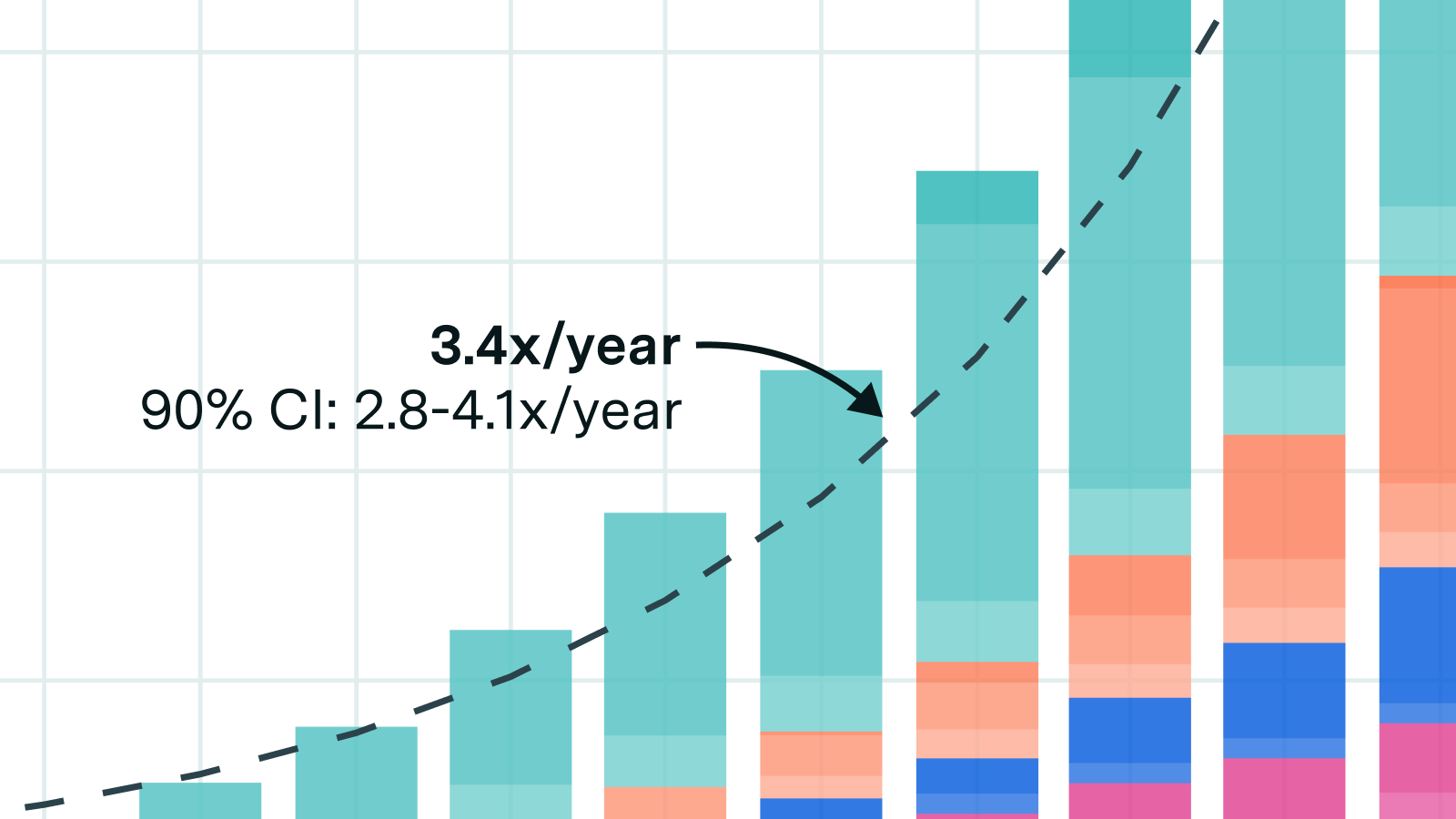
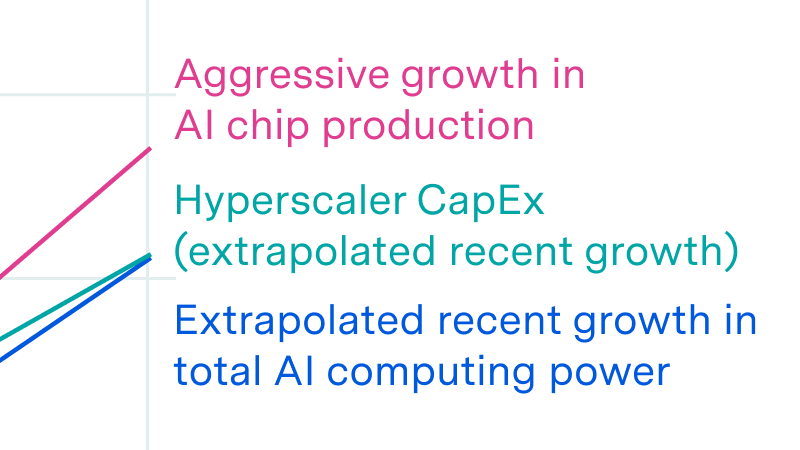
Total available computing capacity from AI chips across all major designers has grown by approximately 3.3x per year since 2022, enabling larger-scale model development and consumer adoption.
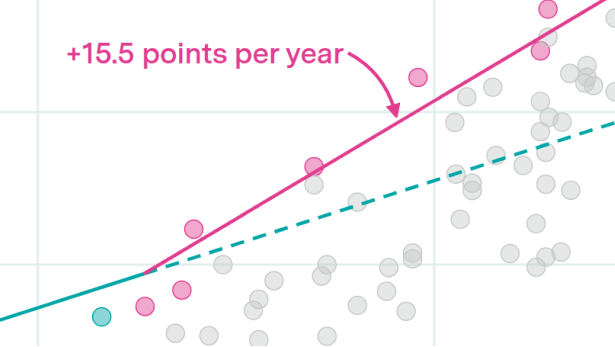
The best score on the Epoch Capabilities Index grew almost twice as fast over the last two years as it did over the two years before that, with a 90% acceleration in April 2024.
Why power is less of a bottleneck than you think.