
Luke Emberson

Luke Emberson

Luke Emberson is a researcher on Epoch AI's data team. He focuses on tracking and forecasting model capabilities through benchmarks and the Epoch Capabilities Index, and coordinates Epoch AI's Data Insight publications.

luke@epoch.ai

Filter

Topic
Type

By Luke Emberson

Disclosed CVEs: July Reached 5× the Pre-Mythos Record
Data Insight
Jul. 31, 2026
Score: 0.0000
Disclosed CVEs: July Reached 5× the Pre-Mythos Record

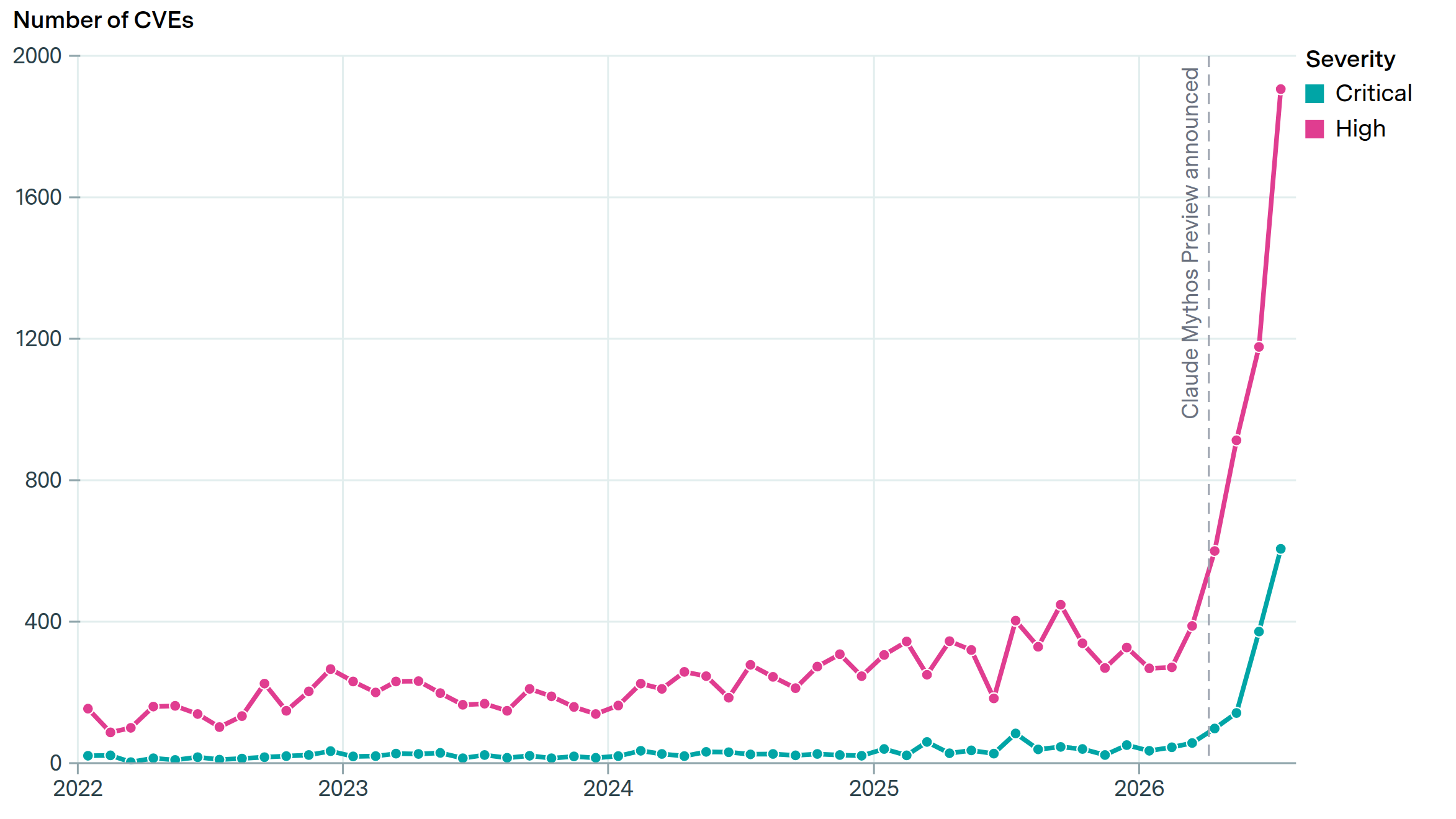
Notable organizations disclosed ~2,500 high- and critical-severity CVEs in July 2026, about 5× the pre-Mythos monthly record. Epoch AI's updated breakdown of vulnerability disclosures following Anthropic's Project Glasswing.
By Luke Emberson

Disclosed CVEs: 3.5× Spike After Claude Mythos
Data Insight
Jul. 2, 2026
Score: 0.0000
Disclosed CVEs: 3.5× Spike After Claude Mythos

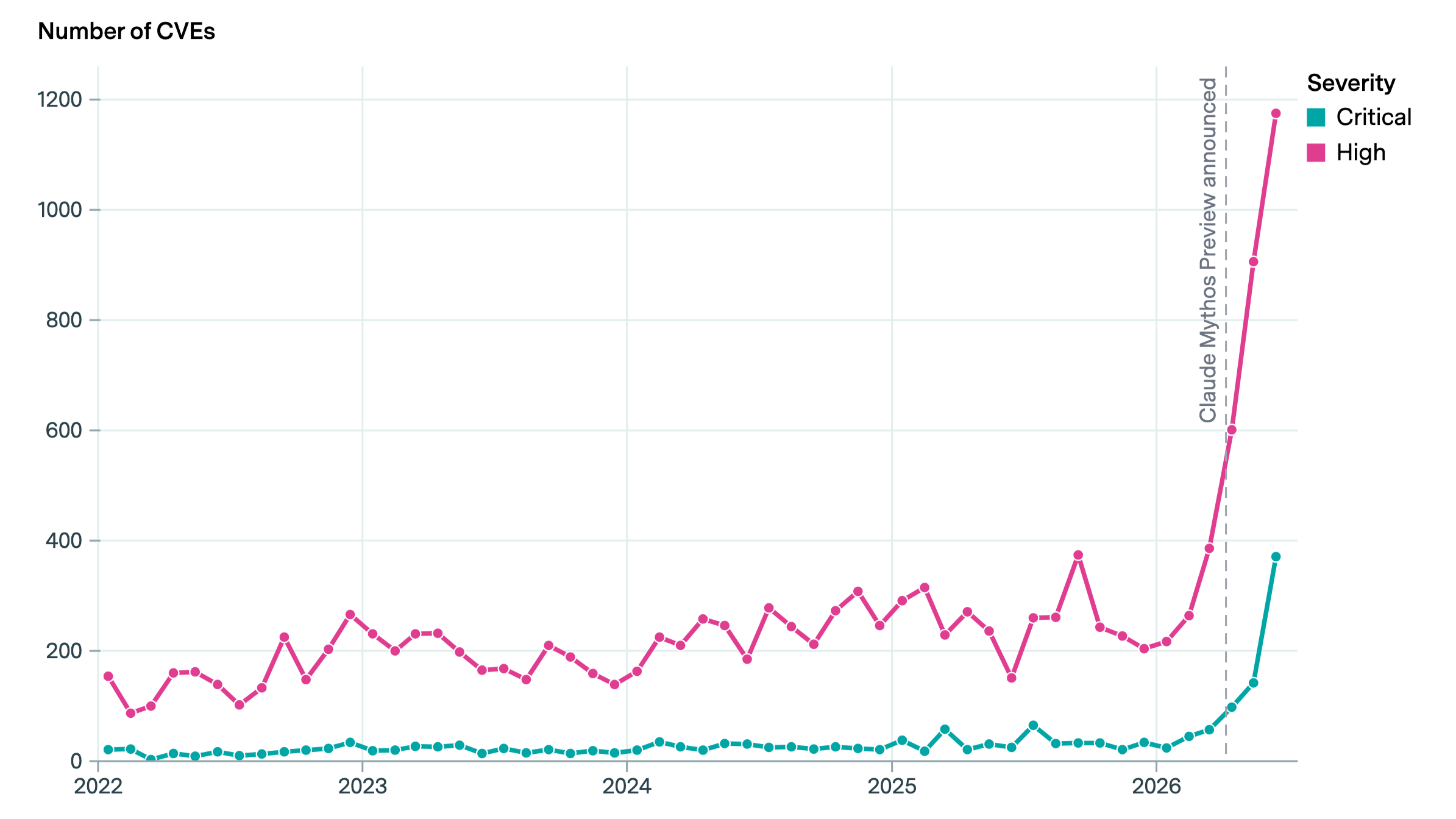
Notable organizations disclosed ~1,300 high- and critical-severity CVEs in June 2026, roughly 3.5× the pre-Mythos monthly record. Epoch AI's breakdown of vulnerability disclosures following Anthropic's Project Glasswing.
By Luke Emberson

Open models lag state-of-the-art closed models by 4 months
Data Insight
May 29, 2026
Score: 0.0000
Open models lag state-of-the-art closed models by 4 months

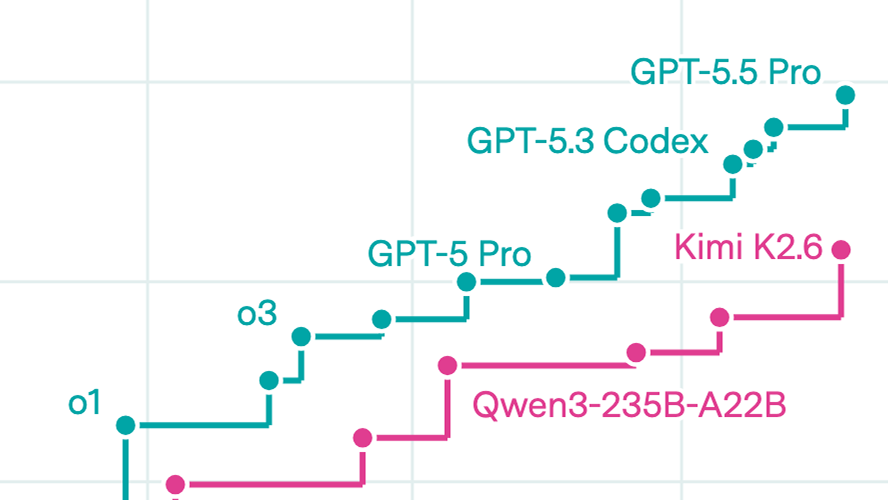
Since January 2026, the most capable open-weight models have lagged frontier closed models by an average of four months, or 8 ECI points.
By Jack Edwards and Luke Emberson

Is a compute crunch coming?
Newsletter
May 25, 2026
Score: 0.0000
Is a compute crunch coming?

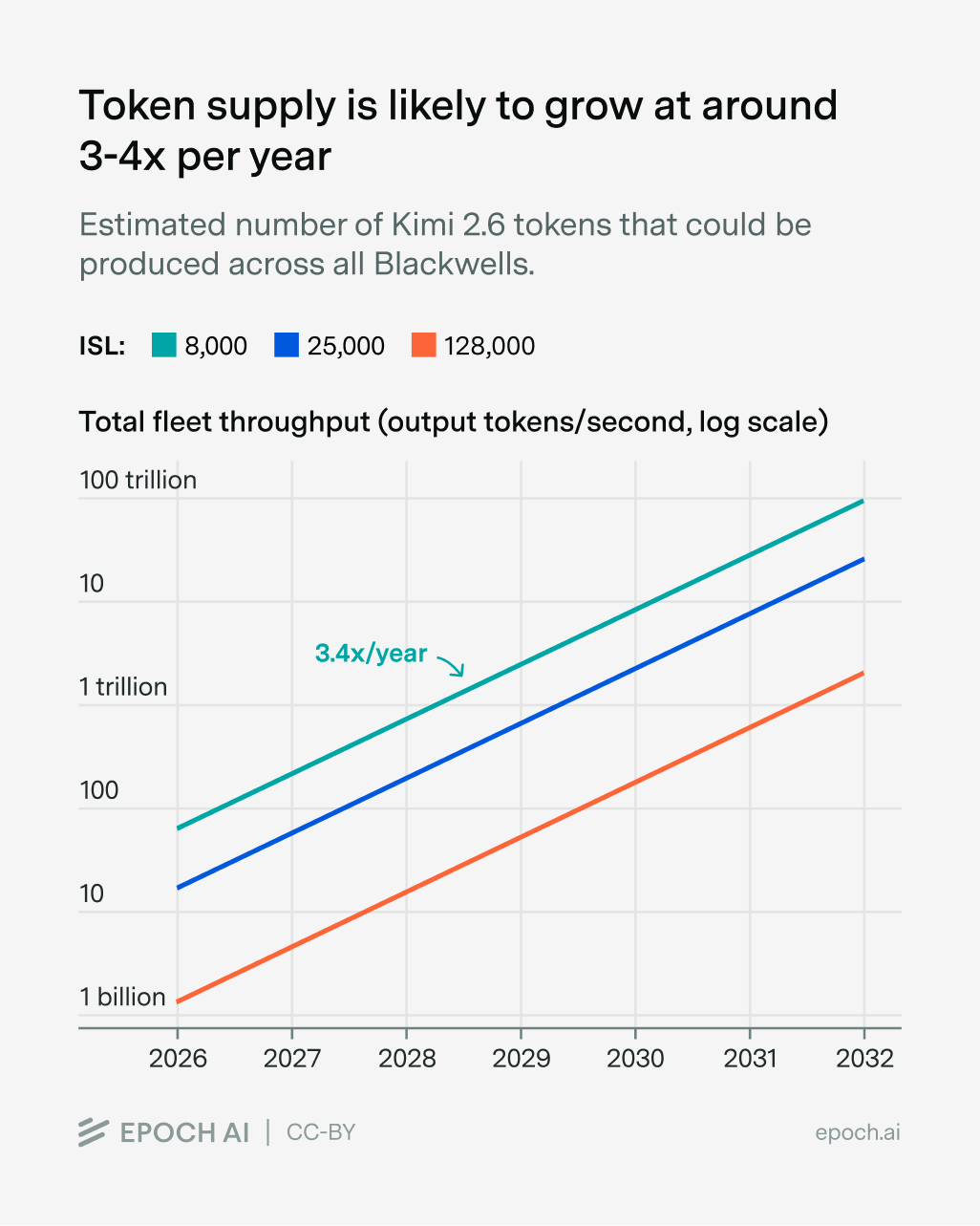
We estimated trends in global inference capacity and found that token demand appears to be growing much faster than supply.
By Luke Emberson and Jaime Sevilla

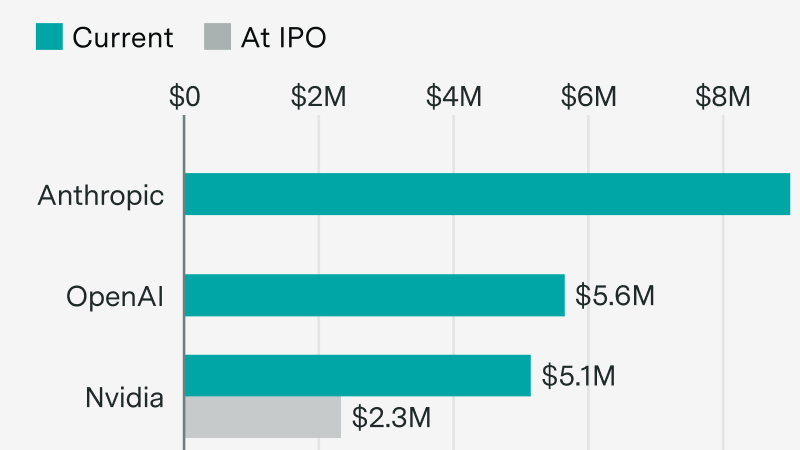
Anthropic and OpenAI earn more revenue per employee than major public tech companies
Data Insight
May 8, 2026
Score: 0.0000
Anthropic and OpenAI earn more revenue per employee than major public tech companies

Anthropic and OpenAI generate roughly $14M and $6.5M in revenue per employee — higher than any other tech company in the Forbes Global 2000. Continued rapid growth in this metric at tens of billions in annualized revenue is unusual, and could reflect productivity gains from AI adoption.

By Luke Emberson

Five hyperscalers now own over two-thirds of global AI compute
Data Insight
Apr. 14, 2026
Score: 0.0000
Five hyperscalers now own over two-thirds of global AI compute

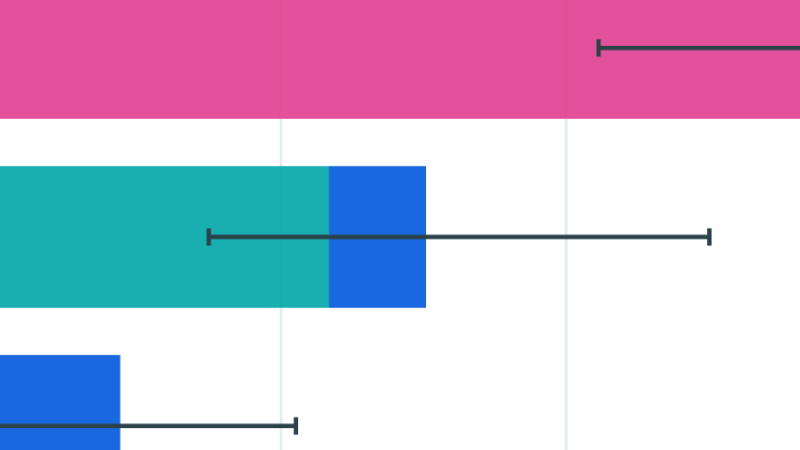
Amazon, Google, Meta, Microsoft, and Oracle collectively hold an estimated 71% of the world's cumulative AI compute as of Q4 2025, up from 63% in Q1 2024.
By Luke Emberson, Josh You, and Venkat Somala

Google controls the most AI computing power, driven by its custom TPUs
Data Insight
Apr. 7, 2026
Score: 0.0000
Google controls the most AI computing power, driven by its custom TPUs

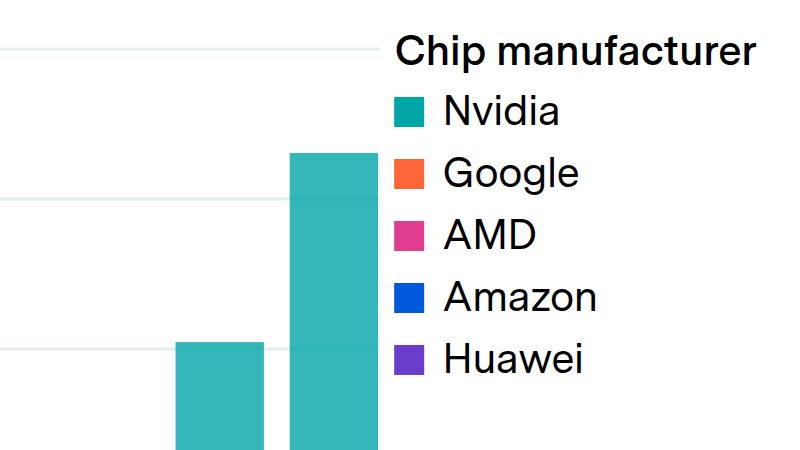
We estimate Google is the largest single owner of AI compute, holding about one quarter of global cumulative capacity as of Q4 2025, primarily from its own custom TPU chips.
By Luke Emberson, Josh You, and Venkat Somala

Total AI chip memory bandwidth has grown 4.1x per year, now reaching 70 million terabytes per second
Data Insight
Mar. 24, 2026
Score: 0.0000
Total AI chip memory bandwidth has grown 4.1x per year, now reaching 70 million terabytes per second

As of Q4 2025, memory bandwidth across global AI chips has reached roughly 70 million terabytes per second, enough to pass all data stored on the internet into memory in under an hour.
By Luke Emberson

Anthropic could surpass OpenAI in annualized revenue by mid-2026
Data Insight
Feb. 19, 2026
Score: 0.0000
Anthropic could surpass OpenAI in annualized revenue by mid-2026

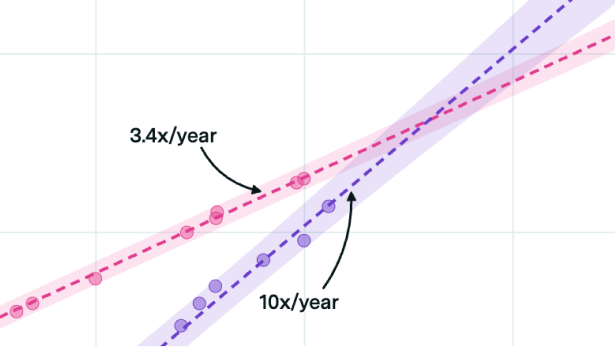
Anthropic's annualized revenue has been growing at 10× per year since reaching $1B, outpacing OpenAI's growth of 3.4× per year. Anthropic will pass OpenAI by mid-2026 if these trends continue. However, Anthropic's growth may be slowing—since July 2025 it has only grown at a rate of 7× per year.
By Luke Emberson and Yafah Edelman

Compute accounts for the majority of expenses of AI companies
Data Insight
Feb. 4, 2026
Score: 0.0000
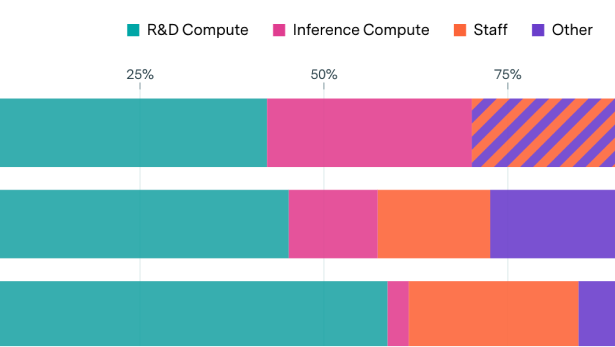
Compute accounts for the majority of expenses of AI companies

Across three AI companies where we can make estimates, compute is the dominant expense: R&D and inference compute together make up 54% to 62% of costs. Despite AI labs offering some of the highest salaries in tech, spending on staff accounts for less than 25% of total spending.

By Luke Emberson and Yafah Edelman